| Constantine VIII (960-1028) | Link to Wikipedia |
Constantine VIII (960–1028): History and Coinage
Ruling from childhood until his death, Emperor Constantine VIII represents a critical turning point in Byzantine history. Although he held imperial titles for sixty-six years as part of the Macedonian dynasty, his actual governance was defined by his abdication to statecraft and military duty during the reigns of Basil II and others. His legacy is one that concludes an era: following Basileus Basil's death in 1025, Constantine became a symbolic figurehead before passing power to Romanos Argyros upon his own demise. This transition marked the end of Macedonian hegemony.
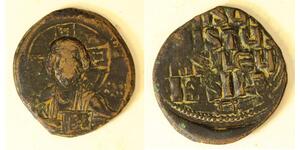
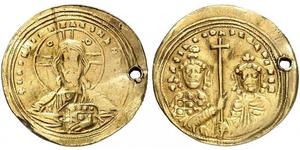
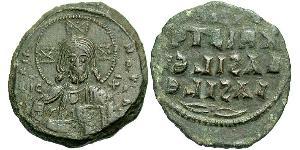
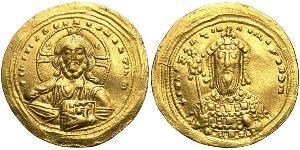
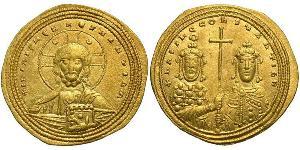
The Byzantine mints produced numerous issues featuring this monarch during both periods where he ruled alongside his brother and as a sole sovereign following 1025. Because coins were essential currency for daily transactions, Constantine VIII's portrait on solidi serves primarily to validate the imperial line despite his lack of active policy. Portraits from his brief reign display stylistic continuities established by Basil II but often reflect an aging visage consistent with historical accounts of physical ailments like gout.
- Mint Production: Issued during the late 10th and early 11th centuries as part of imperial circulation standards.
- Circulation Context: While Basil II coins are often sought, Constantine VIII issues provide a necessary bridge to the Macedonian dynasty's conclusion under Zoe.
Why Collectors Value These Coins
Hunters for Byzantine numismatics appreciate these pieces not merely as metal, but as tangible history connecting the late reign of Basil II to the subsequent rise of the Komnenian era. The scarcity arises from his three years on the throne alone before death; consequently fewer coins minted in his sole capacity exist compared to those struck decades prior under joint rule with Basil.
- Rarity: Coins dated strictly 1025-1028 are significantly less common than earlier specimens.
- Historical Continuity: These issues link the final Macedonian rulers to their successors, including Zoe and Theodora who would eventually rule as empresses in his absence of male heirs.
Focusing on Constantine VIII allows collectors to engage with a specific moment when imperial authority was becoming detached from active statecraft. Each piece contributes to the narrative of how power shifted hands at Constantinople, offering insights into artistic styles and currency control during this volatile period in late Byzantium.