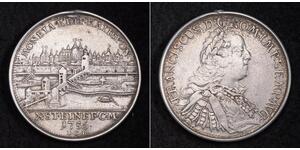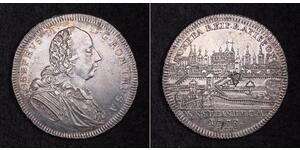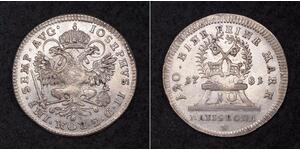
| Joseph II, Holy Roman Emperor (1741 - 1790) | Link to Wikipedia |
Joseph II, Holy Roman Emperor (1741–1790): History and Coinage
Joseph II stands as a transformative ruler in Europe whose reign challenged traditional structures of power and religion during the late eighteenth century. Born to Empress Maria Theresa, his ascension marked a significant shift toward secularization and administrative modernization across the Habsburg monarchy. Collectors seeking pieces from this period must recognize that coinage during the mid-century often served as essential tools for political legitimation rather than mere commerce within sovereign territories.
The Emperor in Currency
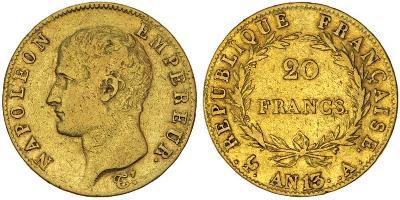
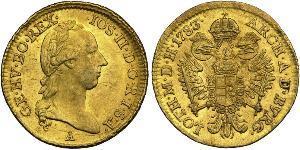
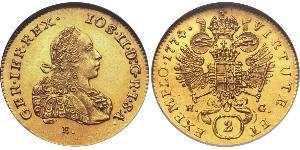
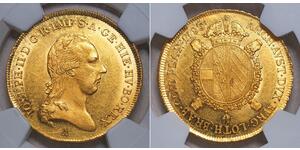
Joseph's rule coincided with complex monetary issuances throughout Austrian domains including Bohemia, Hungary, and Tyrol. While standard florins circulated widely under his mother, specific pieces featuring Joseph II’s portrait appear primarily after 1780 when he held sole authority following the Imperial Diets in Vienna. These coins often featured imperial busts designed to reinforce centralized power during turbulent times involving foreign policy isolationism and internal reform resistance.
The imagery on these specimens reflects the absolutist ideology prevalent at court but filtered through Enlightenment aesthetics intended to demonstrate a modern, rational state leadership. Currency production was closely managed by the Mint in Vienna or Prague under his supervision, utilizing silver standards that had evolved since the reign of Leopold I. The transition from Maria Theresa’s portrait to Joseph II represented not just an individual change but a declaration of new philosophical governance known as Enlightened Absolutism. This era saw attempts to stabilize trade restrictions and standardize economic practices within Central Europe before his sudden death.
The Appeal for Collectors
Collectors find value in coins depicting this figure because of their connection to pivotal historical moments such as the Diplomatic Revolution which reshaped Austrian alliances. For specialists focusing on central European numismatics, finding an authentic piece with Joseph II’s profile provides a tangible link to the Enlightenment movement within sovereign authority.
The historical importance and rarity associated with early post-1780 issues distinguish them from common modern reissues or later commemoratives produced in the nineteenth century. Unlike purely decorative medals, circulating coinage represents the actual monetary flow of an empire facing significant opposition to its reforms. Enthusiasts are drawn not only by artistic merit but by how these metallic tokens encapsulated a brief experiment where reason was expected to rule over tradition without legal constraints from estates or church authorities.