| Ferdinand, Landgrave of Hesse-Homburg | Link to Wikipedia |
Ferdinand, Landgrave of Hesse-Homburg (1783–1866) History and Coinage
In German noble history, Ferdinand Heinrich Friedrich represents a distinct transition period within minor principalities where independence was fleeting. Born in 1783 to Frederick V, he served extensively in the Austrian Imperial Army as an officer before retiring with the rank of General after fighting through major Napoleonic Wars engagements and receiving high military orders.
Ferdinand is historically significant not only for his service but because he stood alone at death without male heirs. He became landgrave following a succession crisis where four elder brothers died, eventually inheriting from brother Gustav in 1848 despite political challenges caused by prior family financial debts. His personal life was marked by frugality and solitary existence after retiring to an Orangery lodge near the castle.
The Landgrave on Currency
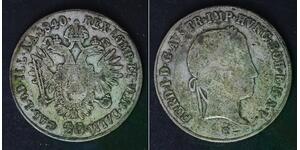
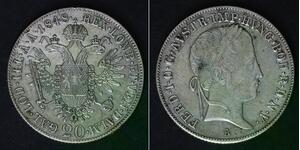
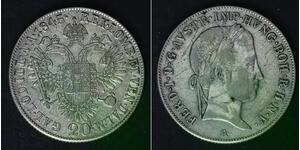
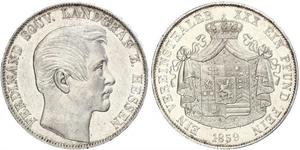
Coinage issued under Ferdinand reflects the specific political circumstances of a sovereign facing inevitable absorption by Prussia. While Hesse-Homburg used generic silver denominations, his reign is notable for minting currency during constitutional negotiations and subsequent revocation efforts around 1850 following the Revolutions.
- Timeline Relevance: Issues appearing between April 1849 state convention establishment and his death mark the specific era before annexation after the Austro-Prussian War took place later that year.
- Sovereignty Markers: The portrait on these coins symbolized legitimate autonomy, distinguishing Hesse-Homburg from neighboring German principalities even when economic ties to Prussia were tightening significantly under federal pressure.
Collections and Historical Context
Nuismatists are attracted to these pieces because they represent tangible artifacts of a dissolving feudal system. Unlike major imperial issues, coins bearing his image offer rarity within specialized collections focusing on regional German numismatics or minor state territories that vanished in 1866.
The scarcity stems from the brief independent window he possessed before becoming part of Prussian administration following military defeat and annexation. For enthusiasts exploring early unification, these coins connect personal biography regarding hunting hobbies with broader historical narratives regarding federalism and statehood dissolution within the German Confederation during a turbulent era of political change.