| Charles VII, Holy Roman Emperor (1697 – 1745) | Link to Wikipedia |
Charles VII (1697-1745): History and Coinage
Charles VII, born Karl Albrecht in Brussels on August 6, 1697, stands as a pivotal figure in late-eighteenth-century German history. Born into the prestigious House of Wittelsbach in Brabant, he served as Elector of Bavaria from 1726 before ascending to the imperial throne upon his coronation at age forty-four. His brief reign marked the end of three centuries of uninterrupted Habsburg rule over the Holy Roman Empire despite significant challenges during his tenure. Although political rivals frequently mocked him for lacking effective military control, he managed to navigate complex diplomatic landscapes involving France and Spain against Austria while managing family debts inherited from previous administrations.
The cultural legacy associated with Charles VII is inseparable from the Bavarian Rococo era, a period of artistic flourish that continued until his death in 1745. Even as an Emperor who technically ruled over vast lands occupied by Austrian forces, he worked to stabilize finances and restore prestige through legal acts rather than solely military campaigns. His election required significant political maneuvering among German princes during the War of the Austrian Succession, eventually earning recognition from Vienna only after his death via a formal treaty.
Relationship to Coinage
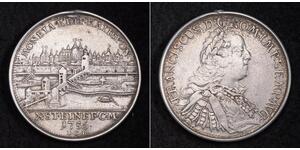
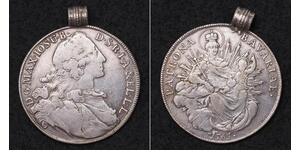
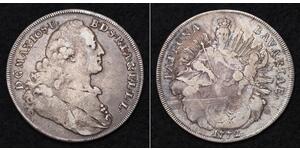
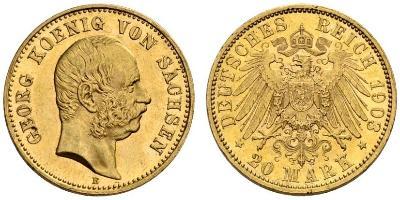
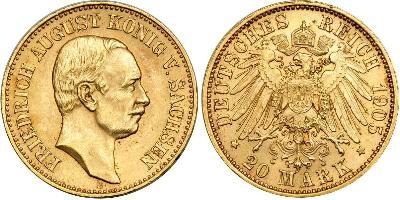
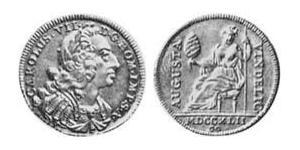
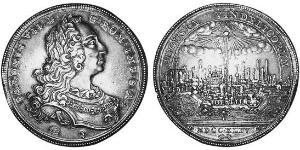
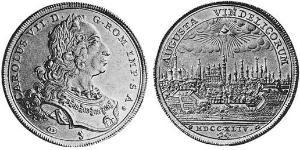
During his tenure as Elector before becoming Emperor, coins were minted at various mints throughout the German territories under his authority. As he was crowned Holy Roman Emperor in Frankfurt and later coronated, coinage designs transitioned from Bavarian elector titles to imperial insignia such as the double-headed eagle. While many issues date back to his time as Elector of Bavaria, posthumous releases were often issued by successor states acknowledging his election's legitimacy following the Treaty of Füssen in 1745. The portraits on these pieces frequently reflect his alliance with France and Spain against Vienna during wartime periods, marking a distinct numismatic legacy for Bavaria under Wittelsbach rule rather than Habsburg dominance.
Why Collectors Value These Coins
For the serious collector, Charles VII issues offer unique insights into an era of political turbulence within Central Europe. Scarcity plays a major role; his occupation and short-lived coronation often meant fewer coins were circulated or minted compared to predecessors like Leopold I or Joseph II. The artistic style captures the essence of High Baroque transitioning into Rococo, featuring elaborate engravings that mirror palace decorations in Nymphenburg Palace where he resided during much of his life. Historians appreciate these pieces as tangible evidence of a contested legitimacy recognized after his death.
Consequently, holding such specimens allows enthusiasts to explore numismatic connections between the courts of Munich and Vienna without modern political biases influencing their interpretation of power structures past 1740s peace settlements. These rare tokens from Bavaria remain essential for understanding how smaller German states navigated imperial politics during one of Europe's most volatile periods.