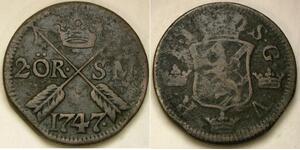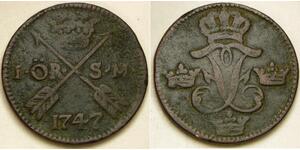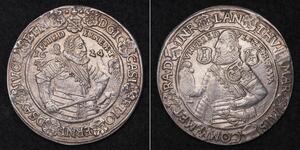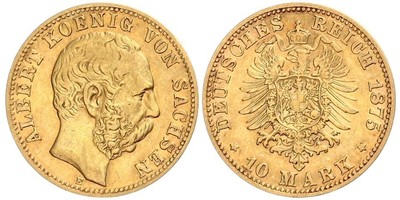
| Frederick I of Sweden (1676 -1751) | Link to Wikipedia |
Frederick I of Sweden (1676 – 1751): History and Coinage
The name Frederick I marks one of history’s most complex transitions in Northern European leadership, specifically within the Kingdom of Sweden. Born to the House of Hesse-Kassel rather than the royal line native to Stockholm, he ascended a throne already altered by the devastation of the Great Northern War. Upon his brother-in-law Charles XII’s death and following Queen Ulrika Eleonora’s abdication, Frederick was elected King in 1720. He ruled for thirty-one years but faced significant challenges as Sweden ceded territories to Russia and parliamentary power grew stronger over royal authority.
The Connection to Coinage
Relationship to Currency Issues
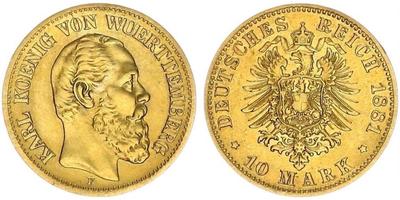
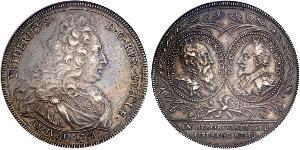
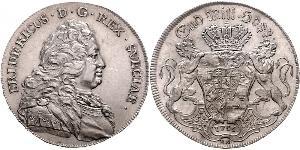
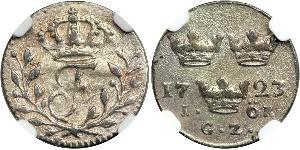
Frederick’s portrait found representation primarily on coins minted for both the Kingdom of Sweden and Hesse-Kassel. During his reign, the Swedish Estates managed finances closely; yet, coinage continued production under regnal dating to maintain stability following political shifts. While he was known more as an absent landlord in later years, early 18th-century silver ducats often bore his insignia during the transition period when absolute rule ended and a parliamentary government emerged.
In Hesse-Kassel, coins depicting Frederick were issued under his title of Landgrave after he assumed this role ten years into his Swedish kingship. These issues served to solidify local identity while acknowledging his connection to Sweden's financial resources. As an absentee monarch who drained Hessian assets for the expensive royal court in Stockholm, numismatic records from these regions reflect the complex economic relationship between a ruler and their subjects.
Rarity of Issues
Why Collectors Value These Coins
- Historical Context: Each piece serves as evidence from an era where Sweden lost its status as a first-rank European power. A coin bearing his portrait encapsulates the end of that military dominance and the shift toward parliamentary influence.
- Dual Identity Appeal: Collectors appreciate coins featuring Frederick for their rare dual connection to Swedish royalty and Hessian state governance, bridging two distinct monetary histories in a single individual’s reign.
- Institutional Legacy: His decision to institute the principal orders of chivalry—Seraphim, Sword, and Polar Star—in 1748 links his currency directly to medallic history. Coins found in good preservation are highly sought after by specialists interested in how early monarchs transitioned from military figures to symbolic statesmen.
Frederick represents a fascinating chapter where coinage documented the quiet end of an empire’s expansion while preserving dignity through regnal symbols that outlasted his own personal interest. Exploring these pieces allows enthusiasts to hold tangible fragments of a time when hunting and administration defined European governance.