| William Ernest, Grand Duke of Saxe-Weimar-Eisenach | Link to Wikipedia |
William Ernest Grand Duke of Saxe-Weimar-Eisenach 1876–1923: History and Coinage
Welcome, fellow enthusiasts of history and numismatics. In this article, we explore the life and legacy of William Ernst, who stands as a significant figure in German regional history.
The Historical Legacy of William Ernest
Born on June 10th, 1876, William Ernest was initially expected to inherit the Dutch throne due to his lineage. However, that potential succession ended before he could claim it as the Netherlands shifted constitutional laws in 1922.
A Sovereign of Culture
In Saxe-Weimar-Eisenach, William Ernest ascended from a line interrupted by his father's premature death. Despite political tension during World War I, he focused heavily on cultural restoration rather than military expansion. His reign is best known for transforming the regional capital into an artistic haven.
The Architect of Preservation
Numerous architectural projects were initiated under his direction to modernize Weimar while honoring its past. A notable achievement was a 1905 law that separated historic preservation from industrial expansion in town centers, allowing new Art Nouveau styles only outside old districts.
The Numismatic Context
Coinage during this era reflected the complex relationship between local state authority and imperial monetary policy. While German unification standardized currency through Prussian influence by 1873, smaller states like Saxe-Weimar-Eisenach retained specific heraldic rights on silver issues.
Mint Standards
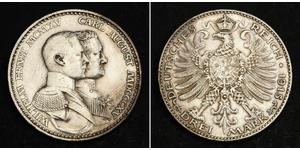
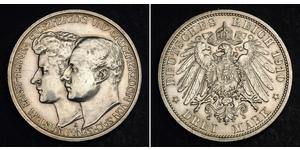
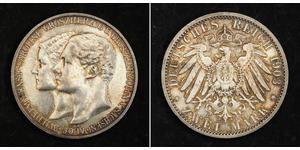
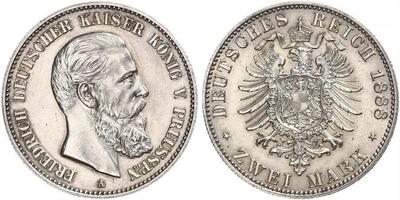
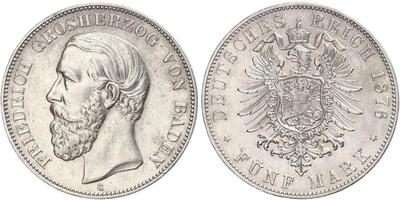
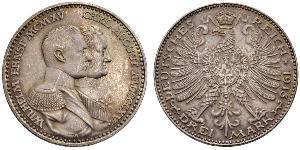
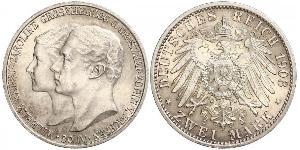
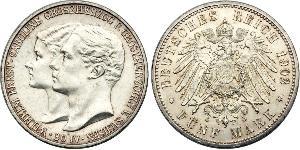
The Grand Duke appeared primarily on commemorative or regional circulation pieces minted in gold and silver before the abdication of November 1918. Collectors often encounter these coins bearing portraits that align with his patronage styles.
- Rarity:
Small mintage quantities from local branches make survival pieces rare today, especially those produced prior to 1907 when imperial reform began.
An Appeal for Collectors
- Historical Significance:
The coins serve as artifacts documenting the final era of German monarchy, representing a specific political epoch before 1930s totalitarianism.
Conclusion
As you examine these numismatic treasures, remember they are not merely metal and alloy. They hold history in their design choices.