| Constantine III (?-411) | Link to Wikipedia |
Constantine III (? – c. 411): History and Coinage
In the final centuries of antiquity, Roman Britain stood on the precipice of historical transformation. Constantine III rose to prominence not as a noble heir but as a common soldier within the field army stationed in Britannia around early 407 AD. His ascent was driven by deep dissatisfaction among troops who had gone unpaid for years and lacked protection against raids from Picts, Saxons, and Scoti.
In response to the barbarian incursions following the Rhine crossing of that same year, Constantine mobilized every available mobile troop in Britain to march across the Channel. His movement fundamentally altered Roman strategy in Northern Europe; by relocating his forces to Gaul and establishing his capital at Arles, he inadvertently dismantled British front-line defenses before securing a formal recognition from Emperor Honorius. He stabilized control over Hispania but eventually fell victim to rebellion among his own lieutenants like Gerontius.
The Context of Imperial Coinage
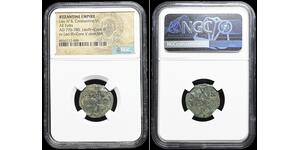
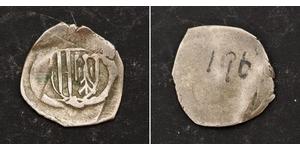
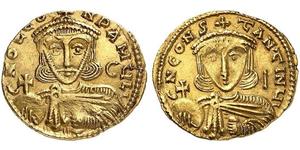
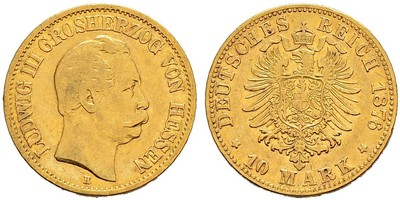
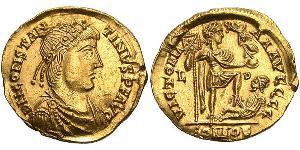
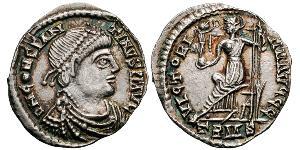
Numerous coins featuring Constantine’s portrait circulated between 407 AD and his death shortly before September 18, 411. These pieces are issued by mints operating in Britain or Gaul under the authority of Western Rome.
- The primary political entity is the Empire itself; however, minting often occurred during a transitionary period where imperial power was fractured between loyalists and usurpers like Maximus.
- Late coinages from 409 onward bear his official name adopted as "Flavius Claudius Constantinus".
This nomenclature remains significant to collectors. While intended to claim legacy, historical analysis suggests he likely selected the title because it confusedly mirrored that of both Constantin II and The Great himself rather than strictly adhering to family lineage.
The Historical Value for Collectors
Educated enthusiasts prize these artifacts not merely for scarcity but as tangible evidence of an empire's structural collapse. Finding a piece struck during his reign connects the observer directly to the specific moment when organized Roman military presence in Britain dissolved permanently.
- Rarity stems from the rapid shift from legitimacy to death.
- The reverse imagery and legends reflect broader artistic shifts occurring as Rome withdrew its northern defenses.
Analyzing Constantine III's coins allows collectors to visualize how a soldier defined loyalty within an unstable era where central authority fragmented across provincial borders. Ultimately, these specimens capture the history of Britain transitioning from Roman rule before his eventual demise under betrayal in Arles ended his ambitious career completely.