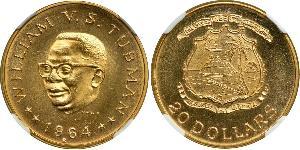
| William Tubman | Посилання на Вікіпедію |
William Tubman (1895-1971): History and Coinage
William Vacanarat Shadrach Tubman, often honored as the "Father of Modern Liberia," stands as one of the most significant political figures in West African history. Serving from 1944 until his death, he presided over a quarter-century of stability and economic development rarely seen during that era on the continent.
A Legacy for Economic Independence
Tubman was born into modest circumstances but ascended to power as part of an effort to unify Americo-Liberian elites with indigenous populations. His presidency is defined by a pragmatic foreign policy and aggressive infrastructure development, secured through American investment following World War II.
National Identity in Currency
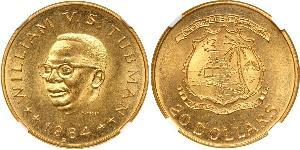
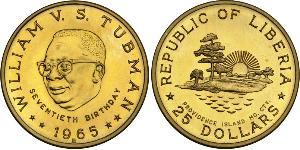
The relationship between Tubman and numismatics extends beyond standard portraits found on circulating world currencies. During his tenure, the Liberian government issued banknotes that frequently featured presidential imagery to denote state stability during a period of global turbulence. While early circulation coins often emphasized national symbols like the Lion Flag, subsequent posthumous commemorative releases have cemented Tubman as a central figure in modern African numismatics.
- Liberian Currency Reform: The Central Bank established monetary standards under his leadership that are highly prized by collectors studying Cold War economic ties between Liberia and the United States.
- Historical Context: These issues coincide with the signing of mutual defense agreements, making associated pieces valuable artifacts representing pre-civil war diplomacy in Africa.
The Appeal for Collectors
Numismatists are drawn to Tubman’s imagery not only for rarity but because these items capture a unique chapter in African independence. The coins and notes from the mid-twentieth century represent an era of prosperity before economic hardship returned decades later.
- Educational Value: Holding currency minted or issued during this period allows enthusiasts to trace the geopolitical shift toward American alliances post-World War II.
- Cultural Significance: These pieces document Tubman’s efforts at national unification and his vision for a prosperous republic, making them essential for specialized collections focused on African leaders.
Awarding value to these numismatic artifacts is an act of preserving the memory of one who modernized Liberia. By examining the currency from this period or later commemorative rounds, collectors maintain a tangible connection to the history that shaped West Africa’s path toward political autonomy and economic sovereignty.