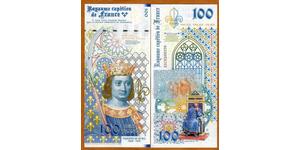
| Philip IV of France (1268 -1314) | Link to Wikipedia |
Philip IV of France (1268–1314): History and Coinage
The Monarch and His Historical Footprint
Welcome to the gallery where we examine one of the most pivotal Capetian kings, Philip IV. Born in 1268 near Fontainebleau, he ascended the throne at seventeen following a period marked by early tragedy for his family. Unlike many predecessors who ruled as feudal lords over scattered territories, Philip transformed France into a centralized state. This era marks a critical transition from medieval fragmentation toward early modern governance. By curbing the power of local nobility and challenging high-ranking clergy like Pope Boniface VIII, he fundamentally altered how authority was exercised in Western Europe.
The narrative surrounding his reign is defined by significant political consolidation. His marriage to Joan I of Navarre unified vast wealth-rich lands with royal demesne, while conflicts with England helped define the boundaries between France and its northern rivals. Collectors will find that every aspect of Philip's rule—from annexing Lyon for the crown in 1312 to his administrative reforms—was a deliberate step toward establishing Paris as the undisputed seat of power.
The Portrait on Metal
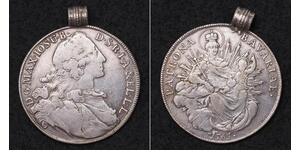
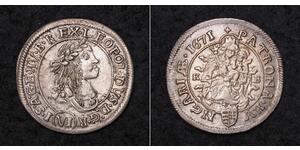
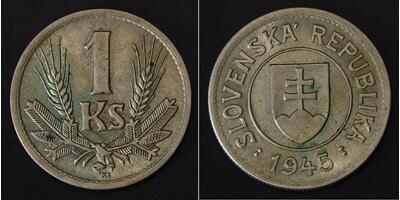
In medieval numismatics, money was not merely currency but an extension of royal propaganda. Prior to Philip IV's reign, coinage production in France was often decentralized among local bishops and feudal lords bearing their own names or titles for specific districts. Under the guidance of his professional civil servants, such as Guillaume de Nogaret, Philip began centralizing mint control.
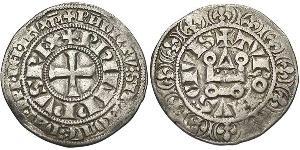
Coinage issued during this period featured simple yet potent imagery designed to assert divine kingship over complex political landscapes. While early French silver coins were often plain, displaying only a bust or initial letters alongside the cross of Saint Andrew was intended to signal uniform law across diverse territories like Navarre and Champagne. The decision to place his visage or titles on deniers served two purposes: it validated the currency as trustworthy state money for international trade between Parisian merchants and English ports, and it visually declared that the King’s word superseded feudal obligations.
A Collector's Perspective
Pieces from this dynasty appeal to enthusiasts who appreciate numismatics with historical depth. Collectors are drawn not only to their rarity but also to what they represent in economic history. Because medieval strikes were frequent and often minted for specific expeditions, surviving examples that bear clear legends of his reign offer a tangible link to the events surrounding the Avignon Papacy or the expulsion of Jews from 1306.
The aesthetic simplicity contrasts with their significance. A well-preserved specimen allows students of history to see how state symbols evolved before Renaissance art flourished in Florence and Rome. For specialized medieval collections, these coins are educational artifacts that help trace the development of banking systems prior to modern centralization. Owning such a coin connects you directly to one of France's architects of national identity.