| Franz Liszt | Link to Wikipedia |
Franz Liszt (22 October 1811 – 31 July 1886): History and Coinage
A Musical Titan of the Romantic Era
The era was defined by intense emotion, and no artist personified it more completely than Franz Liszt. A Hungarian composer born in Sopron, he became a virtuoso pianist who revolutionized performance technique during the mid-19th century. His influence extended far beyond composition; as the father of symphonic poems and thematic transformation, he reshaped how music communicated narrative to audiences.
Liszt achieved early fame by touring Europe in his teens, captivating crowds with a display known publicly as "Lishtomania." Following his debut at age nine in Sopron and subsequent appearances for aristocratic courts in Vienna and London, the young prodigy established himself on Parisian stages. Tragically, following an illness that silenced him temporarily during 1824, he entered a period of deep introspection before embracing Roman Catholicism later in life.
This spiritual journey culminated in his conversion to priesthood at age thirty-five while retaining a secular lifestyle focused entirely on music and pedagogy. His legacy is built upon hundreds of students who carried the torch forward, alongside compositions such as the Hungarian Rhapsodies that bridged folk traditions with high artistry. This artistic evolution continued into his later years, where he experimented with harmonies and atonality that presaged twentieth-century innovations.
The Numismatic Connection
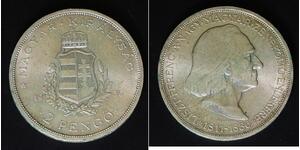
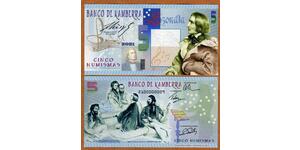
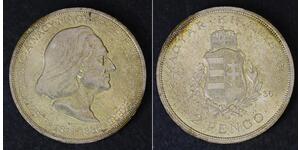
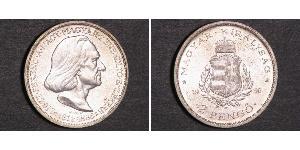
In numismatics, portraits typically honor political leaders or monarchs who issued currency. Franz Liszt did not hold a sovereign title; however, his enduring cultural legacy led to the minting of commemorative medals and coins honoring Hungarian heritage in later decades.
- Era: While no official state coinage was released during his lifetime for general circulation, posthumous issues celebrate his birth centenaries or significant anniversaries of works like the Transcendental Études.
- Cultural Context: These items serve as tangible links to Austria-Hungary’s cultural renaissance. Unlike circulating currency, these pieces mark a shift from political propaganda to artistic appreciation in numismatics.
Why Collectors Pursue This Series
The value of Liszt-themed coinage lies not primarily in metal content or minted weight, but in historical rarity and thematic association. For collectors specializing in cultural figures, these pieces fill a gap between purely political currency and standard art prints.
Rare specimens often appear on auction lists alongside music history artifacts. Possessing one such piece is akin to holding an artifact of the Romantic era itself. The artistic quality required for minted portraits highlights how his reputation remained potent enough decades after his death in Bayreuth to warrant physical representation on coinage. Collectors appreciate these items as bridges between historical biography and modern commemorative traditions, making them essential additions to specialized numismatic portfolios focused on musical heritage.