| Alexander III (1845 -1894) | Link to Wikipedia |
Alexander III (1845–1894): History and Coinage
Rising from the Winter Palace during a period of profound political transformation, Alexander Romanov served as Emperor following his father's assassination by revolutionary elements in 1881. His tenure is characterized by an emphasis on internal consolidation rather than military aggression abroad or significant constitutional reform at home.
Differentiating himself through administrative rigidity and a preference for tradition, he worked to reverse liberal policies initiated during his father's earlier rule. This policy aimed to restore stability after the trauma of regicide while managing territorial acquisitions in Asia without engaging major wars. His diplomatic maneuvering established critical alliances that would eventually lead Russia into global conflict later in the century.
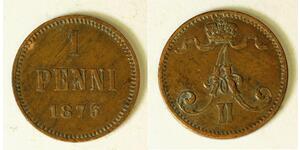
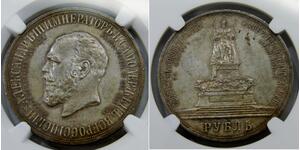
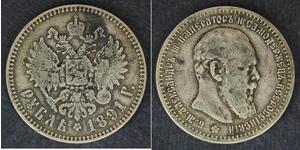
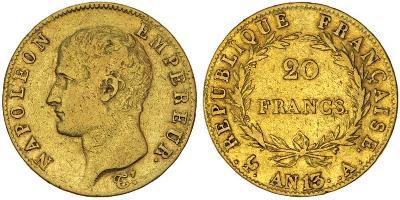
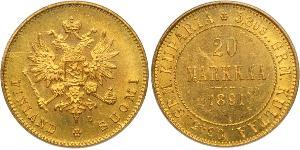
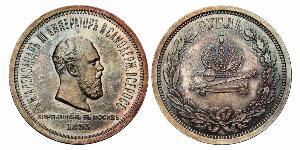
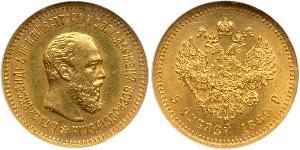
Currency depicting Alexander III was minted primarily by the Imperial Russian Mint during his own lifetime and issued for circulation within domestic markets across European territories of the empire, as well as colonial possessions further east. These pieces served to project imperial continuity following a period where dynastic survival became precarious due to political instability.
The monarch's likeness appeared on denominations ranging from common copper pieces used by daily shoppers in Moscow and Saint Petersburg to silver issues for commercial exchange within the larger Eurasian trading network. Posthumous mintages were subsequently authorized as part of memorial efforts during reigns dominated by his successors, reinforcing public memory even after 1894.
The Appeal to Collectors
- Historical significance: Coins depict a pivotal figure who managed the transition from one autocratist era toward modernization and subsequent revolution.
- Rarity and condition issues are central for enthusiasts, as examples in original uncirculated states provide insight into late imperial production standards.
Enthusiasts often study these artifacts to understand how currency functioned under strict autocratic control before the upheavals of 1905 altered economic policies. Collectors prioritize condition over market fluctuation, viewing survival rates as indicators of historical preservation efforts that allowed modern numismatics enthusiasts access to a specific slice of late nineteenth-century Russian culture through metallic media rather than written records.