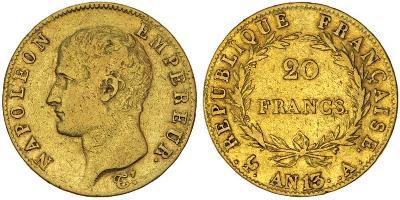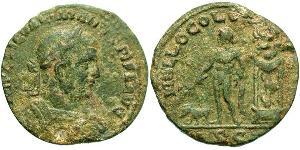
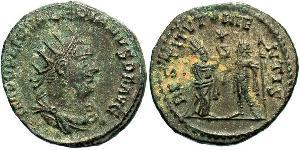
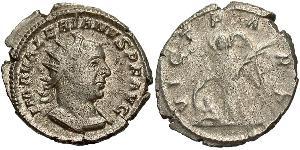
| Valerian I (193-260) | Link to Wikipedia |
Valerian c. 199 – 260 or 264: History and Coinage
Publius Licinius Valerianus, a prominent figure from the noble senatorial families of Rome, ruled during one of antiquity’s most volatile periods known as the Crisis of the Third Century. Unlike many rebels who seized power through bloodshed and illegitimacy, he ascended to the throne in 253 AD following military necessity rather than pure ambition alone. His administration began with efforts to stabilize a fractured empire where Germanic tribes harassed northern borders while Persian forces pushed into Syria from the East during a time of profound geopolitical instability.
Historical Achievements and Context
Raised through traditional ranks of censor and consul, he managed legislative affairs alongside his son Gallienus as co-emperor to split administrative burdens across Europe and Asia Minor regions respectively. This partnership was a strategic decision meant to centralize authority when the imperial office had lost much weight among soldiers who frequently chose commanders over established succession lines during times of war.
The first Roman emperor captured alive in battle represented a catastrophic failure for imperial prestige during the reign when defense failed against Persian Shapur I forces at Edessa resulting in profound shockwaves throughout society then known today primarily through ancient sources documenting his fate rather than coin artistry alone since standard issues rarely altered much despite political turmoil. Tribulations continued with severe economic strain due to war expenses leading to inflation where gold content decreased on silver coins making them more common trade items but less valuable for high-ranking officials whose portraits maintained formal consistency regardless of their personal fortunes declining rapidly toward the end years before 260 when he was taken prisoner.
Tribulations continued with severe economic strain due to war expenses leading to inflation where gold content decreased on silver coins making them more common trade items but less valuable for high-ranking officials whose portraits maintained formal consistency regardless of their personal fortunes declining rapidly toward the end years before 260 when he was taken prisoner.
The Numismatic Legacy
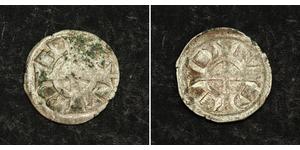
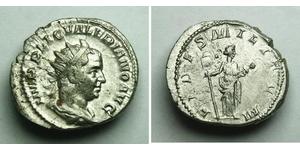
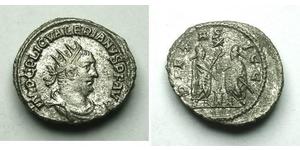
Coinage from this period remains critical for numismatists studying ancient statecraft because it reflects how imperial authority waned visually and politically through the third century. Valerian’s portrait appears on bronze sesterces and silver antoniniani struck primarily in Rome, Antioch, and other provincial mints under his direct command or oversight of Gallienus later during separate reigns after 260 AD when they split territories.
- Rarity and Condition: Collectors prize specimens for their connection to a chaotic era. Many coins show heavy wear from circulation in war-torn economies where mint standards were often relaxed to meet demand despite inflation, adding historical texture to physical objects that survived ancient looting.
- Coin Type Analysis: Identifying reverse types helps establish which city produced them during shifting political control. This assists scholars tracking military supply lines and logistical movements as troops moved between regions under Roman command structures established before the final collapse in late 260 AD years leading to captivity ending imperial line.
The Collector’s Perspective