| Paul Kruger (1825 - 1904) | Link to Wikipedia |
Paul Kruger (1825–1904): History and Coinage
The Life of a Boer Leader:
Stephanus Johannes Paulus Kruger stands as a monumental figure in the consolidation of modern South Africa. Born into humble farming roots near Cape Town, he eventually led the Transvaal through its most turbulent period during the late nineteenth century. His leadership defined an era marked by resistance against British annexation and fierce protectionism over Boer sovereignty.
Beyond his political achievements as State President, Kruger represents a cultural archetype for Afrikaners following their independence movements from London control. Born in 1825 during the colonial transition of South Africa, he was deeply rooted in rural traditions while leading national defense forces against foreign powers and internal disputes.
Kruger participated early on the Great Trek, migrating beyond Cape Colony borders to escape restrictive British rule and seek land suitable for farming. During his youth and adult career, he engaged indigenous leaders like Dingane Zulu King who massacred settlers but survived conflict with Matabele forces under Potgieter.
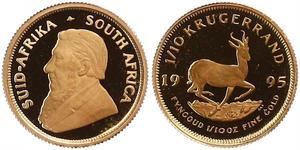
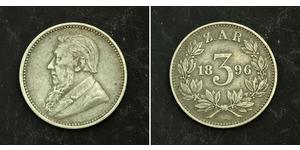
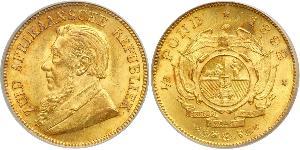
Kruger faced a unique political situation where the South African Republic needed independence to mint its own currency without British restrictions that limited designs. While local notes existed bearing his name, circulation coins depicting him primarily emerged later following statehood and national identity consolidation in 1960s or earlier commemorative releases.
Rarity and Interest
Krugger’s physical likeness appeared on currency mostly after unification occurred. During his own tenure as State President, the Republic faced economic sanctions that limited minting independence from Britain until later statehood years allowed for broader issuance of gold coins named in honor of him.
- Namers were chosen due to association with wealth and mining industries under Afrikaner administration
Coin collectors seek these issues for their connection to a significant national struggle. The name carries weight representing the era when indigenous land rights and cultural identity clashed against imperial interests.