| Claudius I (10BC-54) | Link to Wikipedia |
Claudius (10 BC – AD 54): History and Coinage
Roman Emperor Tiberius Claudius Caesar Augustus Germanicus stands as a pivotal figure in the Julio-Claudian dynasty, ruling from AD 41 to his death in AD 54. Born at Lugdunum in Roman Gaul on August 10 BC, he holds distinction as the first emperor born outside Italy. While physical ailments like a limp and stammer initially isolated him from public life among his peers, these traits inadvertently shielded him during the violent transitions between Tiberius and Caligula. His historical significance lies primarily in his administration; following the assassinated predecessor, Claudius stabilized imperial finances, expanded the bureaucracy to include freedmen, and successfully oversaw the conquest of Britain. This shift from isolationist policy to aggressive expansion marks a profound era change in Roman governance.
Relationship to Coinage
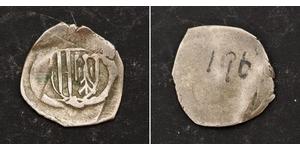
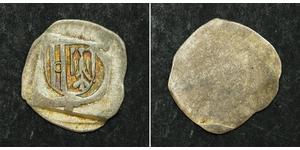
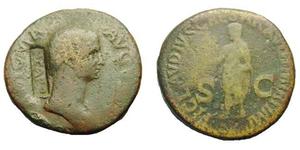
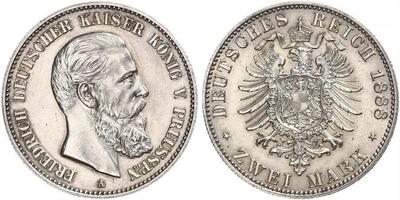
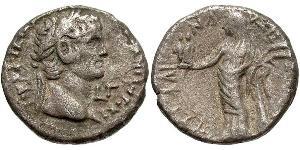
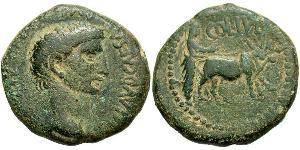
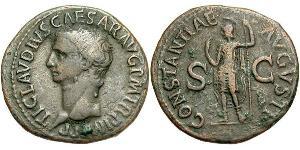
Coinage during Claudius's reign served as essential propaganda designed to project stability following the chaos preceding his rule. The primary medium was the silver denarius, which circulated widely throughout Gaul and later across the Empire after Britannia became a province. Collectors often encounter portraits featuring imperial regalia and laureate crowns that emphasize authority over personal infirmity.
Coin production occurred primarily during his lifetime to legitimize his position among skeptical senators and equites immediately after Caligula's murder, though posthumous issues occasionally appeared to honor the emperor in later dynastic contexts. The imagery on these coins shifted from rigid Republican styles toward a more realistic Imperial aesthetic seen through Claudius’s mature features. Crucially, certain denarii depict Britannia or reference victories during his reign, marking one of the first official Roman claims over northern Britain.
Why Collectors Value These Coins
Silver issues from this period are highly valued by enthusiasts seeking tangible links to political reform and military expansion. Several factors drive collector interest:
- Historical Context:
- The coins represent a transitional moment where administrative competence restored order after decades of instability.
In addition, the artistic quality of Claudius's portraits offers insight into the evolution of Roman imperial imagery. While some later dynastic issues became more stylized, this emperor’s coinage retains dignity and clarity that appeals to art collectors alike. For beginners in ancient coins, these pieces provide an accessible entry point because they often carry clearer legend inscriptions than contemporary Greek or Republican types.
Furthermore, their association with the British conquest allows modern audiences to trace the physical extent of Roman power beyond Italy's borders at a young age for many historians. Preserved conditions vary significantly due to soil acidity and burial depth in Britain versus continental sites, making survival rates lower than average bronze issues but adding premium rarity value to well-preserved silver examples.