

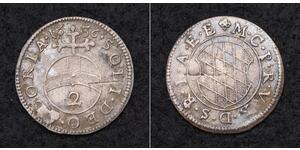
| Ferdinand III, Holy Roman Emperor (1608-1657) | Link to Wikipedia |
Ferdinand III (1608 – 1657): History and Coinage
Welcome to a deep dive into the legacy of Ferdinand III, Archduke of Austria and Holy Roman Emperor who reigned during Europe's most turbulent epoch. Born in Graz on July thirteenth as the third son of Emperor Ferdinand II, he ascended power following decades of destruction known locally as the Thirty Years' War.
Ferdinand stands apart from his predecessors for abandoning rigid notions of divine right to prioritize political survival and peace negotiations. His administration introduced lenient policies toward war-weakened populations in Bohemia and Hungary, recognizing that continued military engagement threatened Habsburg dominance more than honor itself. He was elected Emperor on the death of his father in 1637, a time when vast territories were devastated by Swedish intervention.
During his military command starting in 1634 after Wallenstein's assassination, Ferdinand personally led armies to regain control over Regensburg and Donauwörth. These victories allowed him the political breathing room necessary for peace talks while he sought to unite Catholic princes against Protestant forces within German lands. His marriage to Maria Anna of Spain also strengthened links with Madrid during crucial war years that shaped Habsburg diplomatic networks across Vienna, Brussels, and Madrid.
The Numismatic Legacy
Coinage during this mid-seventeenth-century era served as more than commerce; it was an assertion of sovereignty over fragmented lands. Mint operations fluctuated wildly due to military occupation points like southern Germany, meaning many coins bear distinct marks reflecting shifting control between Imperial territories in Vienna and Prague.
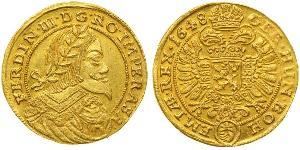
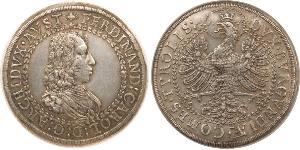
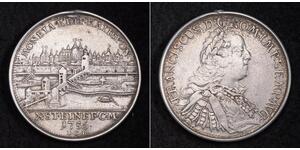
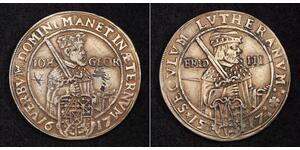
Ferdinand's portrait appeared on silver thalers across his various realms. Collectors examine these issues for evidence of how a monarch utilized metal currency as diplomatic unity tools during the transition toward Peace of Westphalia outcomes that ended open conflict lines between Catholic allies and Protestant statesmen within German lands.
- Lifespan coinage typically depicts him as Emperor Archduke rather than solely King of one domain
- Rare posthumous strikes celebrate the successful stabilization outcomes secured by his pragmatic diplomacy
- Silver pieces often feature profile alongside traditional Habsburg heraldry symbolizing restored order after chaos
A Collector's Perspective
The value found in these coins extends significantly beyond market price. Because Ferdinand reigned during a period of significant population decline and monetary instability, finding intact specimens offers insight into how an Empire rebuilt its economy after catastrophic loss.
Holding pieces bearing his likeness allows enthusiasts to touch physical evidence guiding Europe's shift toward modern diplomatic norms. The portraits often depict him as pious yet approachable, reflecting internal policies that stabilized Austrian holdings against foreign aggression. Seek out varieties associated with Vienna or Prague for deeper context regarding territorial control during this fragile epoch where the Empire survived.
We invite you to examine these artifacts closely recognizing them not just as metal discs of commerce but enduring testimonies guiding a dynasty through one of history's darkest periods toward stability and lasting peace.


