| Crispus (305 - 326) | Link to Wikipedia |
Crispus (c. 300 – 326) History and Coinage
Introduction
Flavius Julius Crispus stands as a pivotal figure in the early fourth century Roman Empire, serving as Caesar and junior colleague to his father, Emperor Constantine I. Born around 300, he was not merely an heir but a proactive military commander who secured frontiers against the Franks and Alamanni between 318 and 323. His career highlights a crucial transition period where imperial authority consolidated under one family name before Crispus's untimely death in 326 severed that lineage abruptly.
Relationship to Coinage
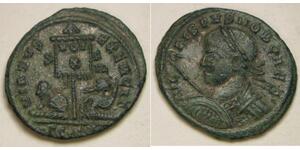
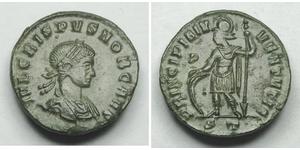
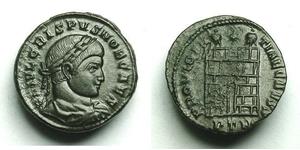
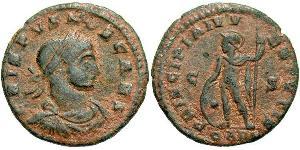
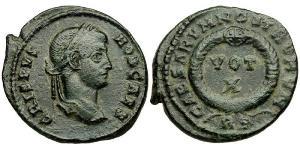
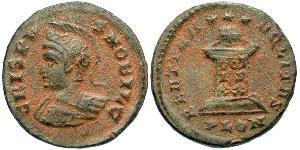
During his tenure, coinage circulated throughout the western provinces to affirm his status as co-reigning with Constantine II and Licinius II after Serdica in March 317. While silver coins depicting Crispus existed during his active command of Gaul, numismatic survival is complicated by his father's decision to issue him damnatio memoriae following his execution at Pola. Consequently, authentic contemporary coinage featuring the Princeps iuventutis becomes exceptionally scarce and historically charged.
Coin collectors often trace these issues back to Trier mints or Constantinople during wartime campaigns against Licinius in 324, showcasing Crispus's naval triumphs which are preserved alongside imperial portraiture on bronze denominations like the radiated sesterces of that era. The portraits were intended to project stability and divine favor across the vast empire before his tragic end rendered such issues ephemeral within official records.
Why Collectors Value These Coins
For enthusiasts specializing in later Roman coins, these pieces offer a tangible link to one of Constantine's most brilliant but tragic generals. The numismatic value extends beyond rarity; it represents a historical snapshot where imperial propaganda met sudden political reversal. Surviving examples often bear high relief portraits and specific mint marks that distinguish western issues from eastern counterparts during the civil war period.
Acquiring an authenticated piece depicts Crispus serves as owning a fragment of ancient military history that survived despite official erasure efforts by later generations seeking to rewrite his legacy after he was accused of incest with Constantine's wife Fausta. Understanding these nuances helps buyers distinguish between genuine antique artifacts and modern reproductions often found in the numismatic market today, ensuring they possess authentic historical heritage rather than contemporary forgeries designed merely for speculation.