| Catherine II (1729-1796) | Link to Wikipedia |
Catherine the Great (1729–1796): History and Coinage
Sophia Auguste Friederike, who became Catherine II, rose from Prussian royalty to rule an immense empire during a pivotal century in European history. Born into small nobility before her rise through political marriage, she presided over a transformative era known for cultural flourishing and territorial expansion.
After securing her throne following the death of Peter III via political maneuvering, she navigated complex diplomatic landscapes involving alliances with Austria or Prussia depending on geopolitical needs. Underher leadership, cities like St Petersburg flourished as architectural models for European elegance while new territories in New Russia fostered trade growth along river systems.
Catherine’s own education under a French governess influenced these artistic trends significantly. This background is visible not just in her architecture but in the numismatic standards of the time, which adopted Western aesthetics rather than traditional iconography for official representations.
The Portrait of Empire
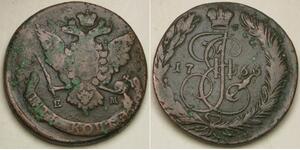
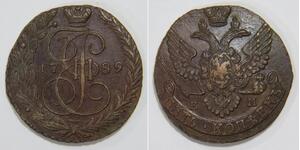
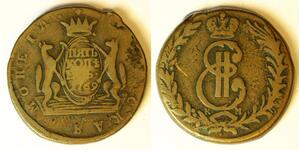
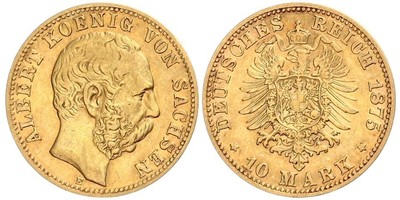
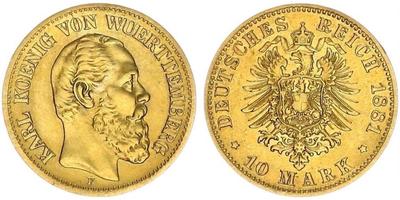
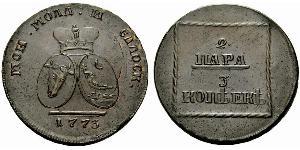
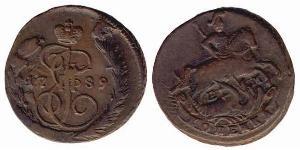
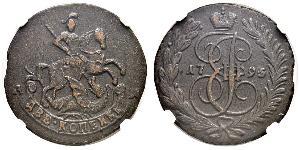
Catherine’s likeness appears primarily upon gold ducats and silver rubles issued by the Imperial Mints throughout her reign. The state employed numismatics as a tool to validate her authority after ascending power following an internal coup, ensuring foreign dignitaries recognized Russia's stability.- Legitimacy: Her portrait on currency replaced earlier Russian icons used by previous sovereigns, signaling the transition from Peter III back to Romanov rule immediately post-coup in 1762.
Mintage often ceased abruptly during certain wars due to metal shortages but resumed upon peace treaties like those with Britain and France. The imagery remains consistent across denominations because she viewed herself not merely as a queen of Russia but an Empress aligned with Enlightenment ideals that transcended borders, utilizing classical portraiture styles similar to contemporary European rulers while asserting imperial sovereignty over vast territories.
The Collector’s Perspective
Collectors value these pieces for the high quality engraving techniques used by masters working under imperial commissions. Finding a mint specimen provides direct evidence of Russia's economic engagement with Western Europe during its peak industrial and military expansion before facing challenges from serfdom that ultimately limited later growth.- Educational Value: Examining wear patterns reveals how far coins traveled across the empire’s vast territories, reaching trade hubs in New Russia or distant outposts near the Black Sea coast and beyond. The reverse designs often featured imperial seals or allegorical figures celebrating peace treaties.
- Ideal for Sets: These issues fit into specialized collections focused on European monarchs from this era who utilized coinage to project soft power during diplomatic negotiations without needing full military engagement at every border dispute. The neoclassical aesthetic reflects her own architectural patronage, making them valuable historical documents beyond mere currency.
Enthusiasts are encouraged to examine the specific mint marks found on Russian issues from this period for further study of imperial production capabilities during a golden age of cultural and territorial integration across Europe. Exploring these artifacts offers unique insight into how sovereign states used metal imagery to communicate power effectively without constant reliance on military force.