
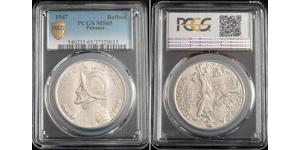
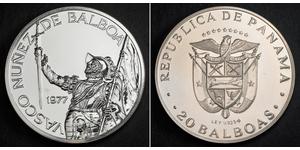
| Vasco Núñez de Balboa (1475 – 1519) | Link to Wikipedia |
Vasco Núñez de Balboa (c. 1475 – around January 20, 1519): History and Coinage
Vasco Núñez de Balboa stands as a monumental figure in the annals of global exploration, best known for crossing the Isthmus of Panama to become the first European to sight the Pacific Ocean during his historic voyage in 1513. Born into nobility in Jerez de los Caballeros but forged by adversity within Hispaniola and Nueva Andalucía, he transitioned from indebted planter to decisive governor and adelantado between El Cabo de la Vela and Veragua territories.
Balboa’s legacy is rooted in the resilience required of early Spanish pioneers. He initially arrived as a stowaway hiding inside a barrel with his loyal dog Leoncico, escaping debtors among creditors in Santo Domingo to join Martín Fernández de Enciso's expedition. His leadership transformed San Sebastián into Santa María la Antigua del Darién, marking a pivotal moment as the first permanent settlement on mainland American soil after earlier attempts like Ojeda’s were abandoned due to hostile native resistance.
Relationship to Coinage
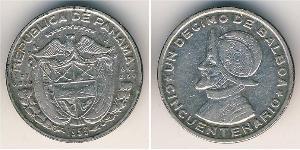
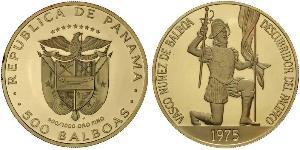
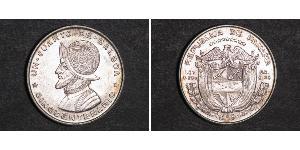
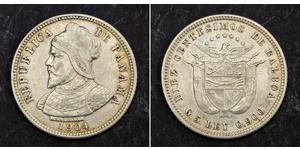
During Balboa's lifetime, official Spanish mints under monarchs such as Ferdinand II or Philip typically bore royal imagery rather than conquistador portraits. Sovereign currency prioritized the Crown because colonial administration was technically an extension of imperial authority vested in kings who possessed minting rights, not military adventurers like him.
Sovereign coins did not feature Balboa on their faces during this period compared to modern commemorative medallions issued by collector societies celebrating age exploration. These pieces distinguish themselves from standard silver reales featuring monarchs or coats of arms found in circulation today. Modern numismatics often issue special items honoring explorers like him, serving as historical markers connecting collectors directly to the era where Spanish imperial expansion reshaped world maps significantly through discovery rather than conquest imagery on face value currency during his specific tenure.
Why Collectors Value These Coins
For the discerning enthusiast, items bearing Balboa’s name carry immense educational weight regarding colonial history beyond market price alone. They represent a tangible connection to the Age of Discovery and how early administrators were viewed as pioneers rather than monarchs within standard mint productions.
- The scarcity of conquistador likenesses makes pieces related to him highly sought after by specialists who appreciate historical accuracy over mass-market issues found in general circulation coin sets owned today or historically.
Owning an item linked to Balboa offers insight into the transition between European dominance on continents previously unknown to them, preserving narratives regarding settlement and discovery that defined centuries following 1513 without reliance upon royal portraits exclusively present during earlier reigns of Ferdinand II in official Spanish mintage policy throughout early colonial period.


