| Christopher Columbus (1451 - 1506) | Link to Wikipedia |
Christopher Columbus (1451–1506): History and Coinage
The Explorer Who Connected Worlds
Christopher Columbus stands as one of the most pivotal figures in human history, marking the definitive moment when Europe and America became interconnected through maritime trade. Born around 1451 to modest circumstances in Genoa, he was an Italian explorer commissioned by Spain's Catholic Monarchs. His arrival on October 12, 1492, effectively ended the era known as pre-Columbian history for many indigenous populations and established a new chapter of trans-Atlantic trade.
Columbus navigated complex political waters throughout his life despite facing accusations regarding governance in Hispaniola, where he removed from office after protracted litigation. He secured patronage from Ferdinand II and Isabella I to fund future expeditions exploring the Caribbean, Cuba, and South America. His legacy lies not only in discovery but in the massive demographic shift that followed, often referred historically as the Columbian Exchange.
The Numismatic Legacy
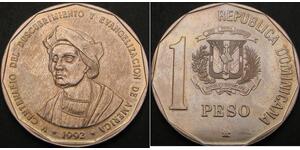
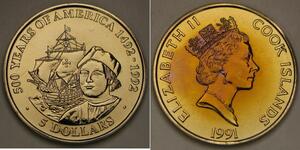
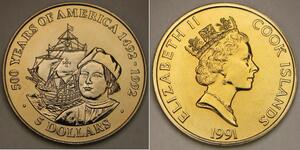
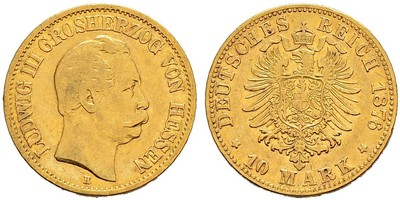
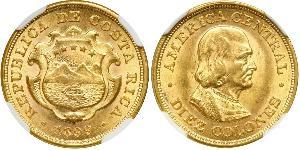
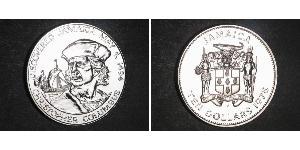
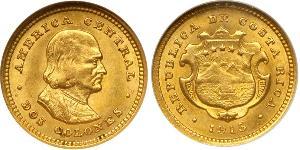
In understanding coinage featuring this figure, collectors must distinguish between official portraits and allegorical representations during his lifetime. Because state portraiture was not a standard practice in late medieval Spain for explorers living in such an era, Columbus rarely appears directly on coins issued strictly under his command.
The Kingdom of Castile issued silver reales that frequently utilized imagery derived from his voyages to commemorate anniversaries or colonial milestones decades after 1506. These denominations were critical tools for financing further expansion efforts and consolidating claims over indigenous lands. Later issues depict ships with multiple masts, the Cross of Burgundy, or maps symbolizing his achievements against a heraldic backdrop rather than likenesses that modern eyes expect.
Rarity and Collectible Significance
Silver currency bearing these historical symbols represents tangible evidence of an empire's reach across oceans. Enthusiasts are drawn to the rarity associated with specific mint marks or condition, which often dictate desirability within specialized exploration series found in museums worldwide.
- Rarity and Preservation: Circulation wear on 16th-century silver makes pristine examples extremely scarce outside major auction houses.
- Historical Context: Each piece provides insight into the economic engine of colonial administration and royal propaganda efforts surrounding discovery.
Owning a coin linked to this figure connects collectors directly to one of history's most transformative moments, bridging artistry with geopolitical ambition. It serves as an educational tool for understanding how nations defined power through tangible currency during the Age of Discovery, making these pieces essential anchors in any European exploration collection.