| Charles IX of Sweden (1550-1611) | Link to Wikipedia |
Charles IX of Sweden (1550 – 1611): History and Coinage
The Guardian of Swedish Protestantism
King Charles IX stands as a pivotal figure in the history of sixteenth-century Northern Europe, specifically regarding the consolidation of Lutheranism within Scandinavia. Born into the House of Vasa, his early life was defined by religious turbulence and political intrigue following the death of King Gustav I. While he initially held power through regency during the troubled reigns of John III and Sigismund II, Charles IX ultimately secured the Swedish crown in 1604 under conditions that firmly established Protestant rule.
The monarch’s tenure was critical for several reasons: it stabilized Sweden against Catholic counter-reformation attempts from Poland and Habsburg Europe. During his lifetime, he championed the Lutheran cause during increasingly tense times of religious strife between competing sects of Christianity. His reign marked a turning point where Protestantism became entrenched as an integral component of national identity.
Royal Authority on Silver and Copper
The relationship between Charles IX and coinage reflects his intense focus on sovereignty and religious unity. During the early 1590s, when he served as regent while Sigismund remained in Poland, the need to assert authority over rebellious factions was urgent.
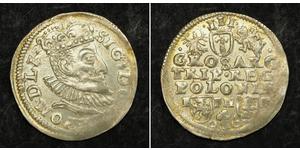
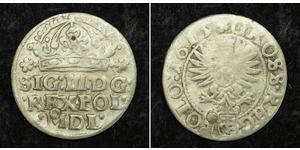
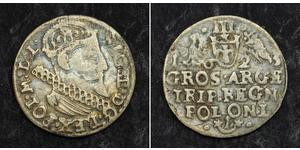
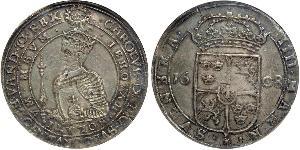
- Purpose of Issuance: Coinage minted during this period often bore portraits that emphasized stability against the Polish threat and internal religious dissent. The portrait or name on coins served not only as currency but also as a political statement affirming his rule over rival dynastic lines.
- Mint Contexts: Coins were struck to facilitate trade disrupted by ongoing conflicts, such as in Livonia. These pieces often circulated alongside Polish rivals and sometimes featured protective crosses that signaled the state’s defense of Protestant principles against Catholic claims on Sweden.
The transition from Sigismund's abdication allowed Charles IX to reassert complete control over minting policies without interference, ensuring that royal imagery matched his strict Lutheran ideals. This period represents a significant moment for Scandinavian numismatics where metal currency became an instrument of religious and political consolidation.
Collector Value in Modern Context
Beyond historical interest, these coins hold particular weight for collectors due to their association with major geopolitical shifts that defined early modern Europe. Pieces depicting Charles IX or the regencies preceding his kingship offer tangible evidence of a nation fighting to maintain religious independence.
- Rarity: War-torn periods often led to interrupted minting schedules, making certain denominations less common than others issued during peaceful years. Collectors prize these for their scarcity and historical context regarding the Cudgel Wars or Polish-Swedish hostilities.
The artistic quality of engravings from this era also appeals to numismatics connoisseurs, as designs often evolved quickly with religious iconography changes. For a collector focusing on European history, these pieces provide an opportunity to study the material evidence of Sweden's breakaway from Habsburg and Catholic influence within Europe.