| Frederick VII of Denmark (1808-1863) | Link to Wikipedia |
Frederick VII of Denmark (1808–1863): History and Coinage
Frederick VII represents a pivotal chapter in Scandinavian monarchy, reigning during one of Europe's most significant political transitions. Born at Levetzau's Palace before ascending the throne in 1849 after accepting parliamentary demands over absolutism, his life defined an era where royal authority merged with constitutional responsibility.
The king faced intense pressure from nationalist movements across Northern Germany and internal Danish factions during two wars concerning Schleswig-Holstein territories. His sudden death without a legitimate heir ended the Oldenburg branch line before it reached him directly as expected by primogeniture laws previously used in his grandfather's time or Christian IV period, causing immediate succession issues.
The relationship between Frederick and state currency reflected this shifting political landscape officially at that moment of transition. While he inherited traditions from predecessors like Frederick VI who issued high quality silver coinage decades earlier for Copenhagen mint production, later circulation items often simplified the design to emphasize civic duty over divine right imagery previously common in European royal portraiture during 18th century times.
Relationship to Coinage
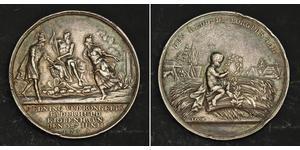
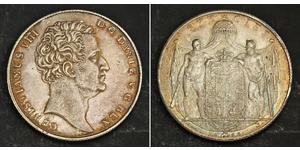
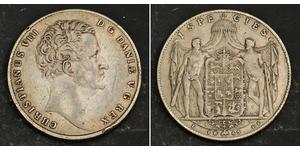
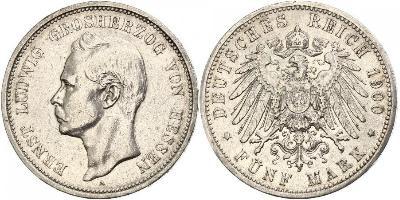
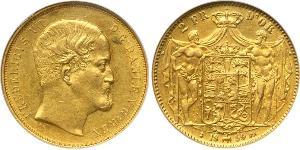
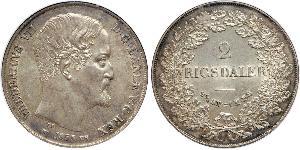
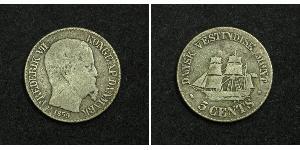
Coinage struck under his reign bore his portrait on various denominations including copper and silver units used for daily commerce throughout Copenhagen streets. These coins were issued primarily during his lifetime though occasional proofs appeared posthumously in private archives before general circulation ceased with national changes.
- The head of the monarch served as a primary identifier alongside inscriptions denoting denomination values to citizens navigating currency systems that transitioned from absolute rule to representative government structures by 1850s and beyond throughout Denmark.
Why Collectors Value These Coins
Collectors are drawn primarily because these pieces represent a singular era in European governance history where national identity formed alongside legal frameworks that defined the future path as a distinct entity within Northern Europe against Germanic pressure and international diplomatic concerns regarding Schleswig territory disputes during his final years near death.
- The artistic quality of mid-nineteenth-century Danish mint designs is notable for featuring simplified profiles intended for mass use on everyday commerce rather than ornate courtly depictions used by previous reigns like Frederick VI or earlier Oldenburg monarchs before him who reigned further back through the 17th century.
In essence, examining these coins offers more than simple monetary value; it provides insight into how authority is legitimized visually through state symbols when a kingdom restructures itself from top to bottom with legal reforms that altered nature of governance significantly between 1849 and his passing in November following year before becoming absolute monarch end history book regarding Danish monarchy ending Oldenburg branch line he inherited finally leading towards Christian IX who took over throne later.