| Emmanuel de Rohan-Polduc | Посилання на Вікіпедію |
Emmanuel de Rohan-Polduc (1725–1797): History and Coinage
A Historical Legacy in Malta
Fra' Emmanuel Marie des Neiges de Rohan-Polduc stands as a pivotal figure in the narrative of medieval military orders adapting to modern times. A member of the illustrious House of Rohan from France, he arrived in Malta during an era defined by shifting political tides following the upheavals of the Enlightenment and Revolution.
Serving as Grand Master between 1775 and his death in 1797, Emmanuel distinguished himself not merely through lineage but through civic engagement. Unlike some predecessors whose tenure was overshadowed by internal strife or foreign threats, he sought to reconcile the Order's spiritual mission with practical governance. He is credited with elevating local villages into cities—such as Żebbuġ—and overseeing significant infrastructure projects like Fort Tigné. These reforms transformed him from a distant sovereign into a popular leader among Maltese citizens and military members alike.
Coinage under the Hospitallers
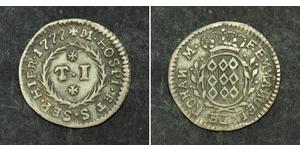
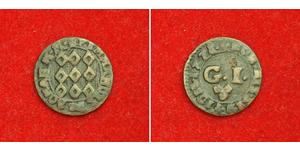
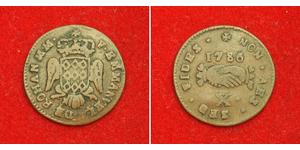
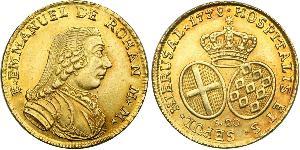
The connection between Emmanuel de Rohan-Polduc and numismatics reflects his unique position as one of the last heads of an independent Sovereign order before French occupation. During his tenure, coins were minted to reinforce the sovereignty of Malta within its maritime sphere.
- Territorial Authority: While standard sovereign coinage in Europe featured monarchs' portraits, Johannite issues often utilized Order symbols. However, commemorative pieces and later editions specifically highlight his name or regnal period to mark the dignity of the office he occupied.
- The Twilight Reign: His final years coincided with significant global change; these coinage instances are typically struck in limited quantities before 1798 when France expelled the Order. This scarcity adds historical weight, representing a period where Malta was transitioning from an independent Hospitaller state to becoming a French colony.
The Appeal for Collectors
Numerous collectors seek coins associated with Emmanuel de Rohan-Polduc due to their connection with the final chapter of Knights Hospitallers independence. The numismatic pieces are valued not only for rarity but for their representation of a unique era where chivalric order persisted through modern warfare.
In addition, these items serve an educational purpose within private cabinets. They allow enthusiasts to hold tangible evidence of Maltese civic pride and Order resilience during the Napoleonic upheavals. For those exploring specialized collections focused on European history or Mediterranean minted standards, a Johannite piece associated with Rohan offers access to stories beyond simple metallurgy—inviting inquiry into diplomatic history and island politics.
Ultimately, studying this coinage deepens appreciation for how medieval traditions navigated the 18th-century geopolitical landscape. Whether examining silver ducats or commemorative tokens bearing his association, each item acts as a historical artifact preserving memory of Malta's most celebrated Grand Master during his final days before French invasion.