| Charles I (1600-1649) | Link to Wikipedia |
Charles I (1600–1649): History and Coinage
Introduction:
Museum visitors often associate Charles the Martyr with a pivotal moment in British history. Born at Dunfermline Palace, he became heir apparent after his brother's death and ascended to the throne of England, Scotland, and Ireland upon James I's demise. His reign was defined by intense conflict between royal prerogative and parliamentary authority, culminating in execution for high treason.
Beyond political history, Charles serves as a profound educational case study for understanding monarchy through state money. While his biography involves significant religious strife and civil warfare, the physical evidence of that era can be examined closely by numismatists today without the bias found in modern narratives.
Relationship to Coinage
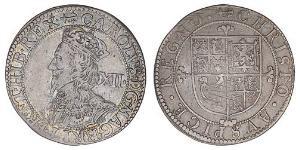
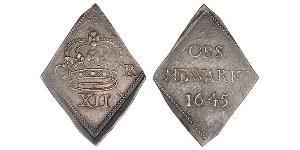
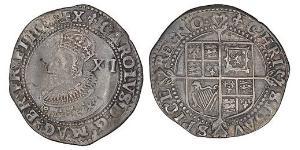
The monetary legacy of Charles is intertwined with the political fragmentation between kingdoms. Following his father's accession in 1603, English silver coinage continued a lineage that emphasized royal authority and divine right. However, during the turmoil leading up to the Civil War starting in 1642, standard practice changed drastically.
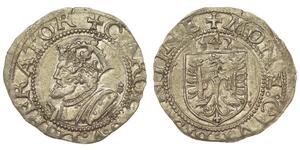
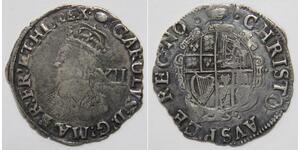
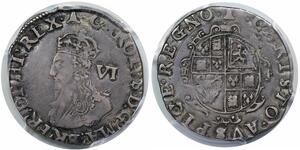
Currency minted under Charles often displayed portraits derived from his father's designs but modified by fashion trends of the era before execution halted official production for most English issues. Notably, Scottish coinage during this time was distinct because it sometimes reflected different factions or local authorities following the Bishops Wars and political negotiations.
The Commonwealth later suspended portrait money entirely to avoid promoting a specific monarch's image over God or the Republic. Consequently, pieces depicting Charles are largely posthumous commemorative items issued centuries after his death rather than standard currency circulating during that turbulent decade of conflict.
Why Collectors Value These Coins
Holders and historians seek these artifacts because they represent a physical link to the moment when kingship was legally abolished in Western Europe for decades. For collectors, rarity is a primary driver; most standard silver coins from this period exist only as rare varieties.
- Rarity: Many surviving pieces are high-denomination crowns or testoons that survived melting due to economic necessity during the Civil War.
- Historical Narrative: Each coin tells a story of shifting power, often showing royal iconography clashing with republican sentiment in later eras.
The artistry is not merely decorative. Designs reflect artistic trends across Europe while asserting sovereignty over land and subject matter. For the student or collector, these objects provide tangible evidence without requiring deep political study to appreciate their cultural context. Exploring such collections reveals how a single individual's rise and fall impacted national economy and design history.