| Frederick VI of Denmark (1768 -1839) | Link to Wikipedia |
Frederick VI of Denmark (1768–1839): History and Coinage
Frederick VI stands as a pivotal figure in Scandinavian history, reigning from 1808 until his death at the age of seventy-one. His early years were marked by the turbulent political environment following his father King Christian VII's mental illness, leading to Frederick assuming de facto power before eighteen while still bearing the regency title.
Frederick VI spearheaded significant social reforms that shaped modern Denmark-Norway during an era of Enlightenment influence. He successfully abolished serfdom within the realm by 1789 and ended capital punishment for hanging shortly thereafter, demonstrating his alignment with progressive ideals despite absolute rule. A defining moment in his personal life occurred through his marriage to Marie Sophie of Hesse-Kassel in 1790, a union that produced eight children but ultimately resulted in only two surviving daughters by law before his death.
His legacy extends beyond domestic governance into major geopolitical shifts regarding the transatlantic slave trade and the eventual loss of Norway during Napoleonic conflicts. Frederick championed civil rights significantly for Jewish citizens living under Danish rule, a progressive move that influenced constitutional developments across Northern Europe. These policies reflect why numismatists view his portrait as representing an era where absolute monarchy began to yield slowly toward greater social justice.
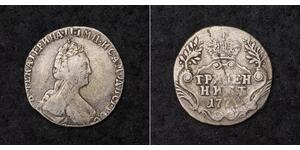
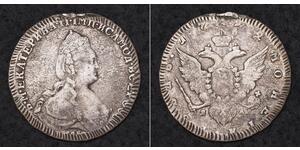
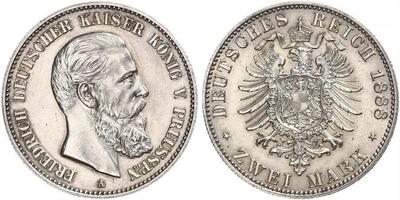
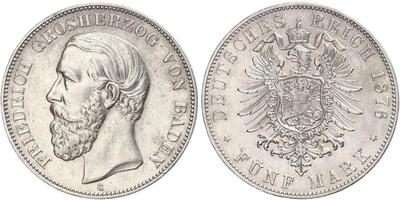
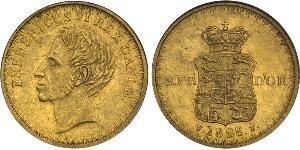
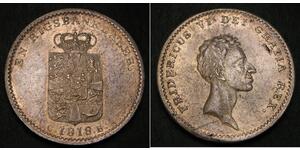
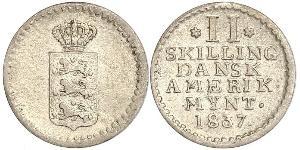
Coinage circulated bearing Frederick VI's likeness throughout most of his lifetime, issued from 1808 through the end of his reign in Copenhagen and other Danish territories. Collectors can observe a distinct artistic shift on these pieces compared to previous monarchs, where inscriptions often transitioned away from traditional Latin toward Danish for official royal currency. This choice was intentional; it established a precedent that later Scandinavian kings followed.
The Numismatic Legacy
These coins were not merely economic tools but also political statements meant to validate the new administrative order Frederick created after his formal accession in 1808. The portrait style utilized on these pieces was designed to project strength and legitimacy following his father's long mental health struggles, reassuring foreign powers during wartime tensions.
Numismatic Appeal for Collectors
- The coins serve as tangible records of Denmark-Norway navigating its most complex period under Napoleon's shadow without a war-torn military machine intact.
- Finding specimens in high grade is often challenging due to heavy circulation demands required by the merchant class during pre-1807 periods and after economic depressions struck later decades.
In sum, acquiring these items allows enthusiasts to hold a piece of history that balances military conflict with humanitarian reform. The value lies in witnessing how early nineteenth-century currency reflected domestic reforms rather than just royal lineage alone, making the search for high-quality examples particularly rewarding within specialized Scandinavian collections today.