| Charles XI of Sweden (1655-1697) | Link to Wikipedia |
Charles XI (1655–1697): History and Coinage
Charles XI reigned as King of Sweden from 1660 until his death in 1697, transforming a fractured nation into an administrative powerhouse after the turmoil of the Scanian War. Although he ascended to the throne at the tender age of four following the untimely demise of his father, young Charles eventually took direct command during adulthood. His leadership was pivotal during a critical period where Sweden needed financial stability and territorial consolidation against neighboring Denmark. He prioritized strict fiscal discipline over foreign alliances, famously reducing reliance on French subsidies while fortifying Sweden's internal economy. This era marked the beginning of absolute monarchy trends within Scandinavia as he centralized power to strengthen royal authority.
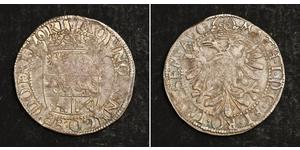
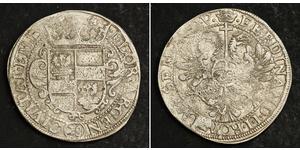
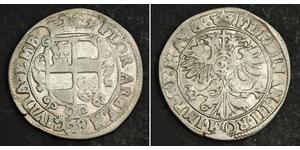
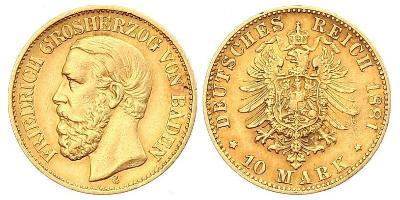
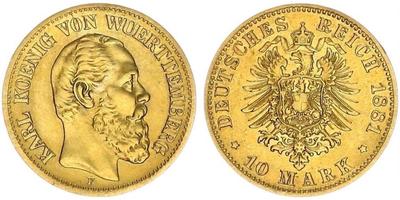
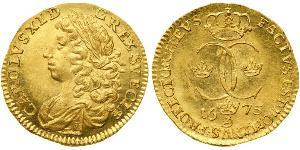
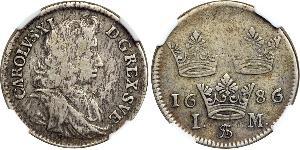
The historical importance of Charles XI extends significantly into numismatics because his reign stabilized a kingdom that needed funds for defense and reconstruction following conflicts with Denmark. During this period, coins depicting him were issued by the Kingdom of Sweden from its mints in Stockholm and other key locations. These silver pieces bearing his effigy served not merely as currency but as symbols of sovereignty during an era where national borders and economic autonomy were precarious.
Relationship to Coinage
Coinage issued under Charles XI's supervision was instrumental for the state treasury, allowing the king to pay soldiers and fund infrastructure projects necessary after his military victories. The portrait or name placed on coins reflected a shift toward absolutism where the monarch’s image superseded complex heraldic symbols used previously by previous estates-led governments. Most notably, silver issues from this period often transitioned Swedish minting standards away from foreign influence back to domestic control.
Why Collectors Value These Coins
Enthusiasts are drawn to specimens bearing Charles XI's portrait due to their association with early Swedish absolute rule and the subsequent economic reforms that defined the kingdom’s golden age. The artistic craftsmanship found on these coins varies based on whether they were struck during wartime emergencies or in peacetime, offering insight into state resource allocation throughout his twenty-year reign of direct control.
Finding original specimens from this period provides a tangible connection to an era when Sweden established its dominance over the Baltic region without significant external interference. By examining these pieces, collectors gain appreciation for how royal authority was monetized and preserved through circulation across Europe during the late seventeenth century, making each piece a historical artifact of national resilience.