| Frederick VIII of Denmark (1843 - 1912) | Link to Wikipedia |
Frederick VIII of Denmark 1843–1912: History and Coinage
Frederick VIII reigned as monarch during a pivotal era for Scandinavian democracy, transitioning his kingdom from absolute rule to constitutional governance under the House of Oldenburg. Although his reign on the throne lasted only six years following the death of Christian IX in 1906, Frederick played a significant role in unifying Nordic nations through familial alliances and liberal reforms.
Relationship to Coinage
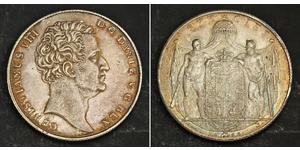
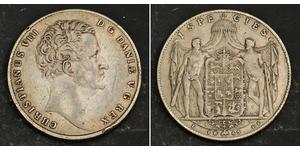
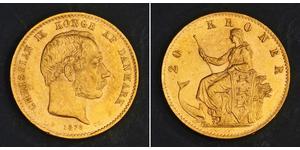
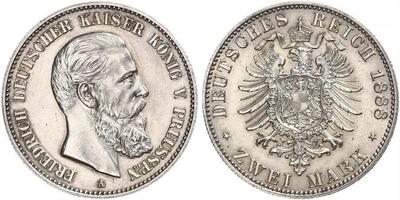
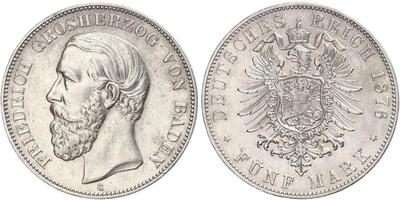
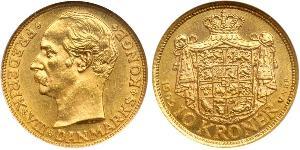
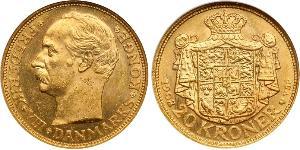
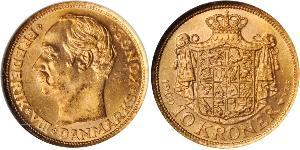
Coin issues bearing the profile of Frederik VIII reflect his late accession and brief tenure as King. Unlike earlier rulers who issued currency over decades or centuries, these coins circulated during a specific window of European political stability prior to global conflict. Danish mints typically featured portraits of the reigning monarch on silver standards utilized for domestic trade and international settlement between 1906 and shortly after his death in 1912.
The placement of King Frederick’s name and likeness serves as a tangible link to the final decades of absolute monarchy before World War I disrupted Scandinavian politics. These pieces are part of a broader series that documented monetary policy changes during a time when Denmark maintained its own currency system while remaining integrated into European markets alongside Sweden, Norway, and Germany.
- Circulation History: Standard silver coins carried his name to signify state continuity after the previous generation's long rule concluded peacefully in 1906.
National identity often superseded royal preference during this period, and collectors find these items valuable because they bridge a gap between traditional monarchist iconography and modern constitutional currency. The portrait styles used were consistent with late-Victorian artistic trends prevalent across European mints at the turn of the 20th century.
Why Collectors Value These Coins
The numismatic significance extends beyond mere metal content; these coins provide insight into the stability provided by Frederick's father-in-law connections and his own diplomatic efforts to maintain Danish sovereignty. For collectors, rarity is a primary factor because silver coinage minted during this short interregnum often features lower production volumes compared to earlier reigns under Christian IX.
Borrowing from historical research on Scandinavian currency systems helps enthusiasts understand why preservation of state seals and monarchical portraits became standard practice even as democratic powers grew. The condition sensitivity required for these silver items makes them a distinct challenge within the field, appealing to specialists interested in early 20th-century Nordic heritage.
Educational value remains high when examining Frederick VIII's currency compared to his father-in-law or contemporaries like Edward VII of Britain. Studying how Denmark maintained its monetary identity during these decades encourages deeper exploration into European history and the evolution of modern governance represented on physical objects collected today.