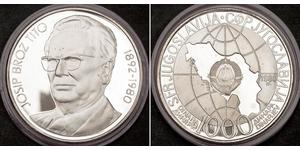
| Josip Broz Tito | Link to Wikipedia |
Josip Broz Tito (1892–1980): History and Coinage
The Historical Significance of Josip Broz
Born in 1892 within the Austro-Hungarian Empire, Josip Broz would become one of the defining political architects of twentieth-century Europe. Often referred to by his nickname Tito, he led Yugoslavia through a tumultuous period spanning two world wars and decades of Cold War politics. His journey began with military service during World War I before transitioning into revolutionary leadership for Yugoslav Partisans against Axis forces during WWII.
After the war ended in 1945, Broz established socialist governance across six constituent republics that formed a unique federal state distinct from Soviet-aligned neighbors. He maintained Yugoslavia's independence by founding the Non-Aligned Movement with leaders like Jawaharlal Nehru and Gamal Abdel Nasser. This diplomatic strategy allowed his nation to navigate global tensions without joining NATO or the Warsaw Pact, earning him international decorations while managing internal ethnic diversity for thirty-five years.
The Numismatic Legacy of Yugoslavia
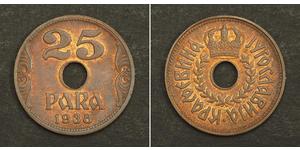
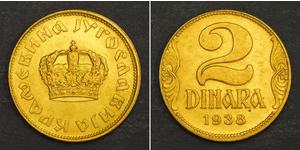
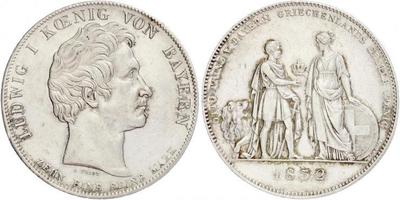
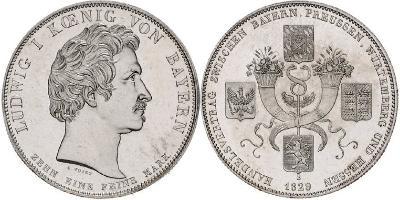
Currency issues featuring Broz reflect a specific era where statehood was consolidated under socialist self-management principles. Following his assumption of power during and immediately after the war, coinage began minting by 1945 to denote official governance over territories formerly part of occupied Europe or independent monarchies. The designs typically utilized styles reminiscent of Socialist Realism, emphasizing unity and resilience rather than royal heraldry.
His portrait appeared on these coins throughout his lifetime as leader of the Yugoslav People's Army (JNA) until his death in 1980. Collectors identify specific dates and republics by design changes made during different economic plans within the federation. The coinage circulated from Belgrade to Ljubljana, serving everyday transactions while projecting an image of national cohesion that no longer exists today following dissolution.
Possession as Historical Education
Beyond market price fluctuations or metal composition values like silver or copper-nickel alloys, these pieces offer tangible connections to the state before its breakup in 1990s conflicts. For beginners exploring history through numismatics, understanding how Broz was depicted provides context regarding political stability during a non-aligned era.
The coins serve as portable artifacts of an ideology that sought peaceful coexistence between different nations within one federal framework. Holding them helps enthusiasts grasp the concept of self-management politics and economic integration before Yugoslavia faced fragmentation. They remain prized by those collecting Cold War memorabilia who wish to study how a nation's leadership was visualized through state-issued metal tokens during decades where neighboring states were strictly divided behind ideological lines.