| Andrej Sládkovič | Link to Wikipedia |
Andrej Sládkovič (1820–1872): History and Coinage
The Voice of a Nation in the 19th Century
In the tumultuous era of the 1848 revolutions across Europe, cultural identity often served as the bedrock for political liberation. Andrej Sládkovič emerged during this pivotal period not merely as a poet or Lutheran priest but as an architect of Slovak national consciousness. Born in Krupina under the rule of Austria-Hungary, he wrote when Slovaks were legally considered part of the larger Magyars nation without distinct statehood representation.
Szládkovič's work was instrumental in defining a unique literary and linguistic identity for his people through language standardization led by Ľudovít Štúr. His most celebrated piece, Marína (1846), romanticized the connection between land and soul using Slovak dialects that elevated local speech to high art. By translating works from Goethe and Pushkin while championing native themes, he facilitated a cultural exchange that bolstered regional pride. This intellectual movement laid the foundation for modern Slovakia but also provided the context for why his visage would eventually be sought after by collectors of historical numismatics.
Numismatic Presence
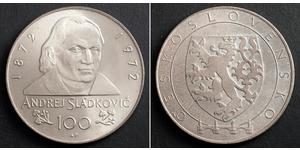
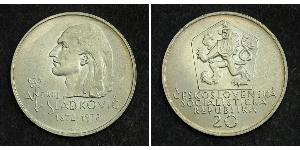
The connection between Sládkovič and coinage is deeply rooted in national identity rather than imperial currency. During his lifetime, he did not appear on sovereign state issues common to empires. However, following the dissolution of Austria-Hungary and particularly during the establishment of independent Slovakia within Czechoslovakia and later as a separate republic, his image became significant for commemorative numismatics.
National banks minted coins and medals bearing his portrait posthumously to mark centennials or anniversaries related to statehood. While modern currency often features political leaders on circulation pieces, Sládkovič appears on limited-edition commemoratives that celebrate cultural heritage and literary history. These issues allow collectors to hold a tangible representation of the national revival movements he championed.
Numerical Significance for Collectors
The value these items bring into collections is rarely about face-mint counts alone; it stems from their role as historical artifacts representing cultural sovereignty. For an enthusiast studying European regional history, a piece bearing Sládkovič offers insight into the post-imperial transition of Central Europe.
- Cultural Context: Holding such coins provides direct access to narratives often omitted from political history books regarding linguistic nationalism.
- Rarity and Design: Many commemorative issues have specific minting limitations due to historical themes, ensuring they remain sought-after within specialized circles focused on Balkan or Eastern European heritage.
Beyond the metal content, these pieces serve as educational tools. A collector examining a modern issue with Sládkovič understands that coinage was used not just for commerce but to canonize heroes of freedom and equality in Slovakia's national consciousness.