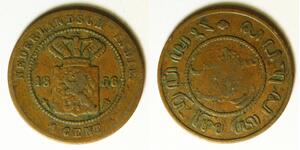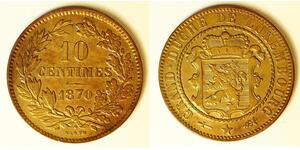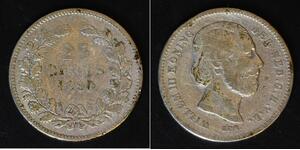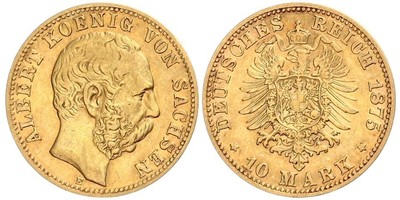
| William III (1650-1702) | Link to Wikipedia |
William III of England (1650–1702): History and Coinage
Sovereign Prince from birth to King, William Henry served as a pivotal defender against French hegemony during the late seventeenth century. Born in The Hague on November 4, 1650, he inherited the Principality of Orange immediately following his father's untimely death by smallpox just days before conception.
A staunch Protestant warrior within the Dutch Republic from 1672 onwards, William’s reputation grew through military campaigns against Louis XIV. He later invaded England in November 1688 during the Glorious Revolution to safeguard religious freedoms and political liberties threatened by his uncle James II's Catholic policies. During this period, he ruled jointly with Queen Mary until her death in 1694, after which he continued alone as King William III.
A staunch defender against French expansionism under Louis XIV, William rose to prominence by opposing absolutism during the Rampjaar disasters before securing the throne through the Glorious Revolution of 1688. His personal rule often intersected with his wife Queen Mary II, culminating in their joint reign which ended upon her death in 1694.
The Numismatic Landscape
Currency issued across William’s diverse dominions reflects this unique duality between Dutch stadtholdership and English kingship. Before 1689, coins in Holland emphasized republican civic authority rather than royal iconography common elsewhere during his tenure as Stadtholder.
- The Netherlands: Silver guilders struck under his command highlight military prowess during the Nine Years' War before transitioning to posthumous issues after 1702.
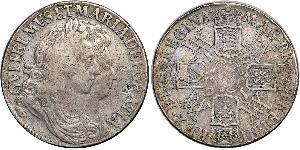
Much coinage was manufactured by agents or private contracts rather than standard minting, often intended specifically for war funds and alliances. English silver crowns circulated widely in Europe alongside French currency during the Nine Years' War (1689–1697), marking a significant era where money served as diplomatic leverage.
- The United Kingdom: Crown denominations struck after accession depict his royal authority and are often found in hoards recovered from military campaigns abroad.
Collecting History
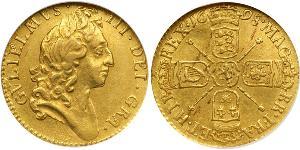
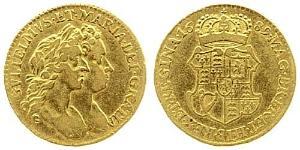
Enthusiasts value these issues for their direct connection to pivotal constitutional changes. Pieces minted during wartime feature sharp portraits intended to inspire loyalty in an era of political turmoil, offering insight into how currency functioned as a tool of state-building.
- Rarity: Surviving specimens from the 1690s often carry battle marks and wear consistent with heavy circulation on foreign soil during conflicts against Louis XIV's armies.
Examining coin weights reveals financial pressures faced by mints funded for prolonged wars. Collectors seek pieces that bridge the transition between Dutch Republic governance and British Kingship or reflect specific military victories, where coins were transported as proof of service to allies abroad rather than standard domestic revenue tools.