| Victoria (1819 - 1901) | Link to Wikipedia |
Victoria of the United Kingdom (1819-1901): History and Coinage
Born into a royal lineage defined by succession crisis after 1820, Queen Victoria ascended to the throne as an eighteen-year-old girl during a period of profound transformation. Her reign spanned sixty-three years until her death at Osborne House in 1901, encompassing industrialization and military expansion that fundamentally altered British society and global politics. As a national icon who navigated public adoration through personal morality even while navigating the intense political changes known as the Victorian era, she established a legacy of stability.
The Intersection of Monarch and Metal
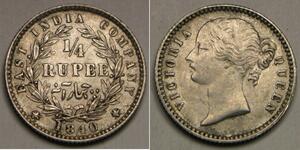
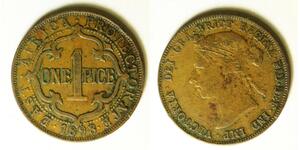
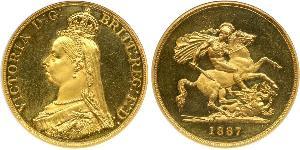
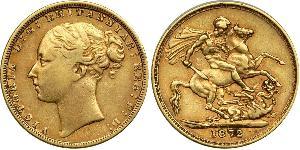
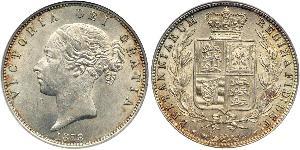
Coinage served as one of the primary tools by which this reign was communicated to the public world. During her lifetime, every coin issued in Great Britain bore her portrait or name initially as a mark of sovereign authority. The Royal Mint produced copper, silver, and gold denominations featuring designs that evolved with her life stages.
- United Kingdom: Standard circulation coins like the shilling, sixpence, penny, and florin showcased her face in profiles ranging from youthful features to those of a grieving widow following Prince Albert's death. These issues served as portable propaganda for stability within an expanding nation.
- The Indian Empire: With parliament granting her the title Empress of India in 1876, colonial mints across Asia began issuing coins explicitly declaring Victoria as Emperor or Queen-Empress to cement political unity over diverse territories. This expanded numismatic legacy connects directly to global expansion history.
- Portraiture Evolution: Early issues reflected a vibrant image suitable for industrial optimism, while later designs incorporated mourning symbols such as wreaths after 1861 when she entered seclusion following her husband's passing. These changes help date archaeological finds without needing historical records.
A Legacy in the Hands of Collectors
For enthusiasts and historians, these artifacts offer more than aesthetic appreciation; they represent tangible links to an empire that spanned continents. Coins bearing Victoria's likeness are sought for their rarity relative to circulation needs and artistic quality provided by engravers who captured her specific expressions over decades.
Collectors often value these pieces not merely for condition but because they encapsulate specific moments in history, from trade routes of the 1850s to imperial declarations. Exploring this collection encourages a deeper understanding of how currency functioned as statecraft during one of history's most transformative centuries.