| Albert II of Belgium | Link to Wikipedia |
Albert II of Belgium (1934–2024): History and Coinage
The late King Albert II stands as a significant figure in modern European history, representing the continuity of constitutional monarchy through one of the most complex political landscapes of recent decades. Born on June 6, 1934, he succeeded his brother Baudouin to become King at age 58 following his death from cancer. His reign was defined by a steadfast adherence to neutrality and duty during turbulent times in Belgium's linguistic and economic relations.
Beyond the political sphere, Albert II played an active role as a patron of science and culture, though he maintained a strict distance from direct executive power regarding national policy decisions until recent years. He famously abided by the constitutional protocol to remain impartial when his own children were involved in legal disputes before abdication in 2013. This legacy provides historians with insight into how monarchical institutions adapt to democratic pressures while preserving stability through personal restraint and moral authority.
The Numismatic Legacy
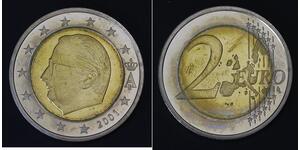
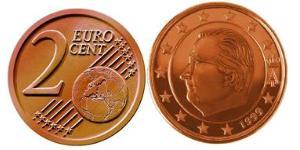
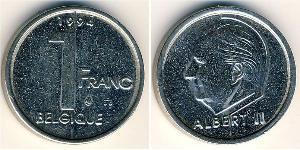
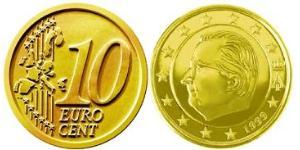
Coinage issues under King Albert reflect a specific era of European currency history where modern standards transitioned from the national Franc system. During his reign, Belgium was part of the Eurozone since 1993 as he ascended to power in August that year and adopted the single currency two years later. Unlike many historical monarchs who appear on standard circulation coins due to pre-euro traditions, Albert II primarily appears on commemorative minted pieces.
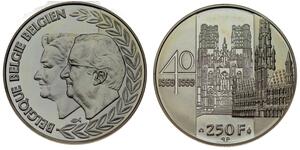
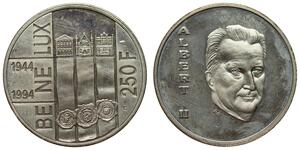
The Royal House Commission authorized specific silver and gold issues marking royal milestones such as his accession or anniversary celebrations of national holidays. These limited mintage items were produced at the Belgian National Bank's facilities before transitioning fully to private partners in later years. For collectors, these pieces are valuable because they capture a unique period where traditional European symbols merged with modern currency designs.
The Appeal for Collectors
Serious collectors of Belgian numismatics value Albert II coins primarily for their rarity and historical context rather than market price fluctuations. Pieces issued to mark the 70th anniversary of Belgium or his abdication offer tangible proof of a specific political timeline that ended with the handover of power to Philippe. The artistic quality of these medals varies, often depicting the King in formal court attire which distinguishes them from generic European designs.
Educational research into coinage featuring this monarch reveals much about state budget priorities during peace and economic reform eras in Belgium. Understanding that standard circulation coins featured only national symbols helps buyers avoid seeking common images on circulating pieces while identifying genuine commemorative items intended for investors or history preservationists.