| Miklós Horthy | Link to Wikipedia |
Miklós Horthy (1868 - 1957): History and Coinage
The Regent's Legacy
Miklós Horthy served as the paramount leader of Hungary from March 1920 until his resignation in October 1944. As a high-ranking naval officer before assuming political office, he presided over a nation navigating turbulent waters following World War I and facing significant territorial losses under the Treaty of Trianon. His tenure bridged two world wars, overseeing economic recovery efforts while Hungary aligned itself with major European powers during the 1930s. For history enthusiasts, his career represents a critical transition in Central Europe where conservative nationalism clashed with shifting geopolitical realities.
Coinage and State Authority
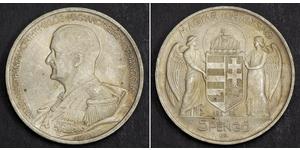
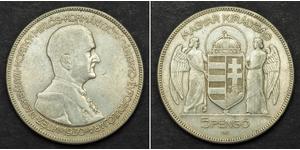
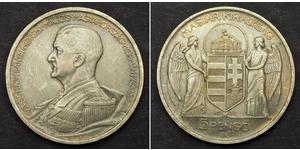
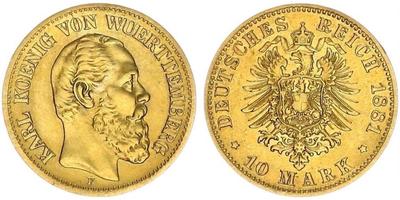
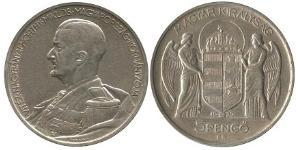
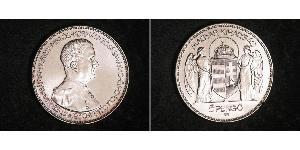
During Horthy's leadership, the Kingdom of Hungary issued currency that prominently featured his portrait as Regent following 1920. Unlike previous monarchs whose images adorned coins from the Austro-Hungarian Empire or earlier centuries, Horthy represented a republican form of governance without royal bloodline. Collectors should note that these pieces were minted primarily between the early twenties and late forties. The transition to his image on state currency symbolized the formal dethronement of House Habsburg authority in favor of a new administrative leadership structure.
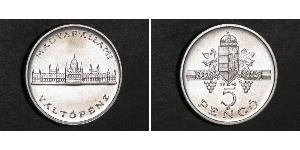
The coins circulated during this period reflect the economic challenges faced by the country, such as hyperinflation issues often depicted through lower metallic content or changes in denominations. After World War II and particularly under communist rule, these pieces were withdrawn from general circulation until they reappeared within specialized numismatic markets decades later.
The Numismatist's Perspective
Collectors are drawn to this series primarily because of the historical context encoded in their metal. Finding a piece with wartime dates offers tangible evidence of Hungary navigating its complex position on the global stage during that volatile period. The artistic quality typically features formal, solemn portraits designed by artists commissioned from state engraving bureaus.
Rarity plays a significant role for serious collectors seeking to complete series covering this specific era of Central European history. While minted in larger quantities initially than pre-1920 issues due to inflationary printing methods, many coins were melted down or lost during the post-war confiscation and war economy.
- Historical Narrative: Each coin encapsulates a chapter of Hungary's interwar identity.
- Rarity Factor: Post-occupation pieces surviving outside Europe add unique provenance stories.
- Educational Value: These artifacts connect collectors to the geopolitical shifts defined by Horthy’s policies.
In summary, Miklós Horthy coins are more than currency; they serve as historical records of a nation defining its sovereignty under challenging circumstances. Collecting them allows individuals to hold physical representations of that era in their hands while engaging with the broader story of 20th-century European conflict and resolution.