| Wolfgang Amadeus Mozart | Link to Wikipedia |
Wolfgang Amadeus Mozart (1756-1791): History and Coinage
Introduction:
In the pantheon of Western classical music, few figures loom as large or possess a global resonance like Wolfgang Amadeus Mozart. Born in Salzburg to a prominent musician father, he emerged from humble court beginnings into international fame at an unprecedented pace. By age twelve, his compositions were published across Europe. His legacy is not limited to symphonies and operas; it permeates the cultural identity of Austria and Germany today.
Relationship to Coinage:
During Mozart's short lifetime between 1756 and 1791, he never appeared as a portrait head on official state currency in circulation. The political landscape of his youth was defined by the Holy Roman Empire and various city-states like Salzburg, where minting decisions rested with ecclesiastical or imperial authorities rather than individual artists. However, numismatic records show that collectors should look to posthumous issues for portraits of Mozart.
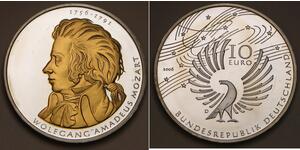
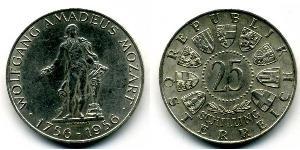
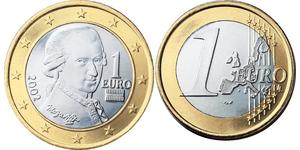
Following his untimely death in Vienna, numerous medals were struck by admirers and societies seeking to commemorate the "child prodigy." These early bronze pieces often depicted him based on descriptions or sketches rather than a living model. In modern times, mints from Austria, Germany, and Switzerland have issued special commemorative silver coins celebrating his bicentenary of death or specific musical anniversaries. Collectors encounter these items because Mozart represents the pinnacle of Viennese court culture; to mint an image of him is a celebration of artistic freedom achieved after he left Salzburg service for Vienna.
Why Collectors Value These Coins:
The value associated with Mozartian numismatics lies in their narrative power rather than rare metal content. For the enthusiast, these pieces serve as tangible links to a man who lived and died in poverty despite creating immense wealth for society through art.
- Rarity of Originals: Surviving 18th-century commemorative medallions are scarce because many were struck by small associations rather than major government mints.
- Cultural Heritage: Modern mintages link directly to Austria's national identity, appealing to travelers and music lovers alike.
- Educational Connection: These coins encourage exploration of the original sources mentioned in biographical texts—letters and manuscripts that were once guarded by his family but are now public records. The numismatic pieces bridge the gap between paper archives and tangible history.
In conclusion, Mozart remains a central figure for historical study because he personizes the transition from patronage to independent artistry. While circulation coins from his era do not carry his portrait, modern issues allow collectors today to hold a fragment of Viennese culture that honors one of history's greatest composers.