| William III of the Netherlands | Link to Wikipedia |
William III of the Netherlands (1817–1890): History and Coinage
Welcome to an examination of a sovereign whose legacy transcends mere currency, William stands as one of Europe's most enduring nineteenth-century monarchs. Ruling for forty-one years from 1849 until his death in 1890, he was the second-longest reigning Dutch king following only Wilhelmina and later abdication trends among successors. Born into a European aristocracy that spanned from Russia to Württemberg, William navigated complex political tides.
Born on February 19th in Brussels during the United Kingdom of the Netherlands era before becoming sole King after his father's death three decades prior, he represented a specific bridge between imperial dynasties and modern nation-states. Initially reluctant to accept the throne upon his father's passing while abroad at Raby Castle, he eventually returned under pressure to govern a populace facing liberal constitutional changes.
The Numismatic Connection
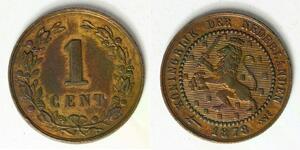
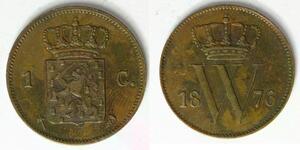
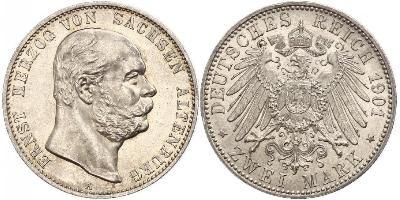
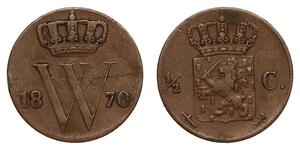
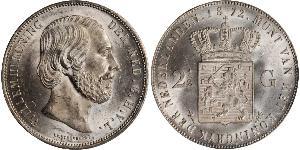
Coinage during William III's reign serves as a tangible record of Dutch statecraft. Following his accession in 1849, silver florins and copper centimes frequently bore the royal bust to affirm sovereignty following constitutional reforms that transferred power from the crown to parliament. These coins were minted to ensure public recognition of authority.
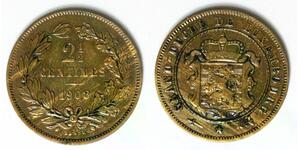
A unique feature of Dutch numismatics during this era was William's dual role as King and Grand Duke of Luxembourg until 1866 when Limburg was abolished, followed by the continued reign in his own capacity for both territories. His personal coinage reflects independence maintained against French expansion pressures that threatened neighboring regions.
Value to Collectors
Educational value often outweighs rarity when studying this period. Coins featuring King William III offer a window into an era where monarchies transformed from divine right figures to constitutional heads of state. Enthusiasts are drawn by the connection between these metal artifacts and historical narratives involving his military background, including honorary commands in Russian regiments.
The collection significance lies not solely in scarcity but in provenance that links to major European geopolitical shifts during industrialization.
- Historical Context: Represents a critical bridge period in Dutch liberalization and the shift from autocratic rule to constitutional monarchy.
Closing Thoughts on Numismatic Heritage
Focusing on these specific issues, collectors understand that each coin bears testimony of a reign defined by eccentricity alongside political pragmatism. These pieces allow one to examine the transition from United Kingdom administration toward individual Dutch independence.