| William, Duke of Nassau | Link to Wikipedia |
William, Duke of Nassau (1792–1839): History and Coinage
The Historical Figure
Alexander William, known historically as Wilhelm or William, Duke of Nassau, was a pivotal figure in the consolidation of German princely power during the 19th century. Born on June 14, 1792, he emerged from a complex dynastic landscape following the Napoleonic Wars. After fighting with his troops at Waterloo under the Seventh Coalition against Napoleon, William continued to serve as joint sovereign Duke until March 1816 when his cousin died unexpectedly upon him inheriting the Usingen territories.
This event transformed Nassau into a unified duchy rather than separate feudal holdings for the first time in decades. He ruled alone from that date until his death in Bad Kissingen on August 30, 1839. His reign was marked by significant dynastic expansion; he fathered Adolphe of Luxembourg and Queen Sophia of Sweden. Consequently, William represents a crucial link between many royal houses across Europe today.
The Relationship to Coinage
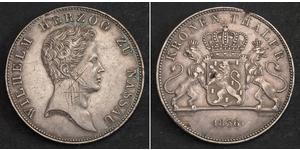
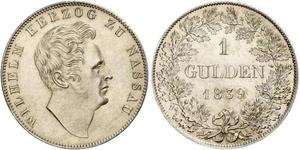
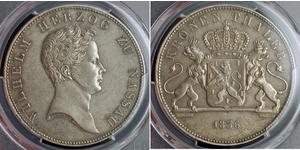
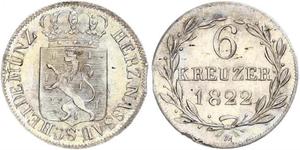
In the world of numismatics, coinage during this period served as proof of sovereign authority in small German states that lacked central banks or national currency systems. During Wilhelm's rule from 1816 onward, local mints produced copper and silver denominations bearing his portrait to facilitate trade within Nassau-Weilburg.
The decision to feature a head on coinage was tied directly to political consolidation following the Congress of Vienna (1815). By minting currency, William established an independent economic identity for Duchy of Nassau. While these were often small-denomination pieces intended for daily commerce within borders that would eventually merge into Prussia or Luxembourg's unique path later in the 19th century.
Collectors seeking early modern European statehood issues will find coins from this period particularly notable as they mark a transition era where local mints operated with independence before joining broader monetary unions. The artistry on these pieces reflects neoclassical styles common among German states in the post-Napoleonic century.
Why Collectors Value These Coins
The historical significance of coins depicting William lies primarily in their provenance as early modern state issues from a lineage that birthed multiple current royal families. For collectors, these items offer insight into the economic independence maintained by small German principalities before nationalization.
Pieces struck under his sole reign are often sought after to understand the specific governance period of 1816 until 1839 distinct from earlier Napoleonic occupation or post-unification issues. Their rarity is driven not just by metal content, but because few German states produced their own currency for extended periods before becoming federalized.
For a beginner numismatist, understanding the story of William provides context to why these small copper pieces are historically rich artifacts beyond simple money. The coins serve as physical records of his role in stabilizing European dynasties after 1807, making them valuable assets for those studying the evolution of royal lineage and pre-industrial German economics.