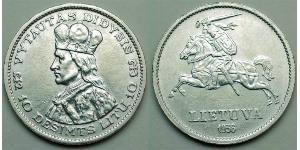
| Vytautas(1350 - 1430) | Link to Wikipedia |
Vytautas (c. 1350 – 27 October 1430): History and Coinage
Vytautas the Great stands as a pivotal figure in Eastern European history, serving first as regent for his cousin Jogaila before ascending to rule jointly with him from roughly 1401 until 1430. His legacy is defined by military brilliance and political acumen during a turbulent era of expansion against both Mongol threats and the Teutonic Order. While he styled himself Supremus Dux Lithuaniae, his primary historical footprint lies in securing borders stretching to the Black Sea and fostering national unity through strategic alliances with Poland.
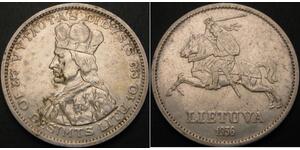
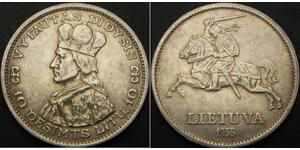
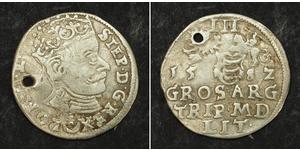
When discussing Vytautas in a numismatic context, one must look beyond simple dates of reigns for domestic coinage. Medieval currency minting in this region was heavily influenced by external powers like Hungary or Venice, often circulating without the direct portrait of local dukes during his lifetime. Consequently, authentic medieval coins bearing his image are exceptionally scarce. However, modern collectors can explore commemorative issues released following Lithuania's independence and national rebirth movements.
These pieces depict Vytautas not merely as a monarch but as the symbol of state sovereignty restored after centuries of foreign influence. The portrait often accompanies inscriptions celebrating his victories or commemorating university founding events named in his honor. This numismatic history is intrinsically tied to how post-independence Lithuania chose to memorialize its Golden Age, utilizing coinage to educate generations about their own resilience.
Why do enthusiasts seek these issues? The drive extends far beyond market value; it is rooted in historical storytelling. Coins featuring Vytautas serve as tangible artifacts connecting the collector to a period of medieval statehood formation and religious conversion that shaped modern identity.
For those engaging with this material, understanding the scarcity of genuine ancient issues versus abundant modern tributes adds depth to collection research. It encourages collectors to appreciate how national narratives evolve over time, transforming Vytautas from a historical military commander into an enduring cultural icon represented in metal and memory.