| Vitellius (15-69) | Link to Wikipedia |
Aulus Vitellius (AD 15–20 December 69): History and Coinage
Aulus Vitellius stands as a pivotal figure within the turbulent final chapter of Roman imperial history prior to peace. Born in Campania around AD 15, his ascent represents a significant departure from tradition; unlike previous emperors, he was not born into a noble family but rose from the equestrian class through military success and political maneuvering. His journey began as a companion to Tiberius on Capri before he secured commands under Caligula and Galba.
Relationship to Coinage
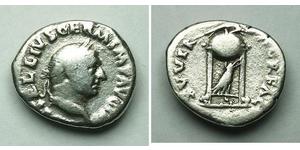
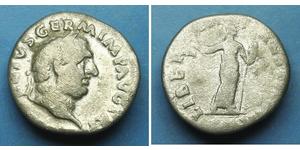
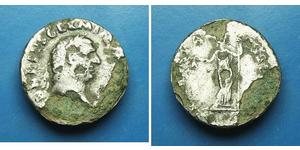
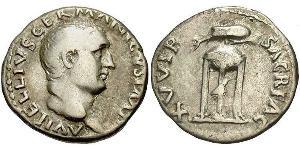
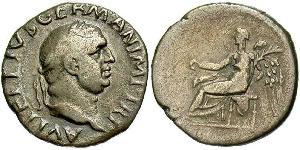
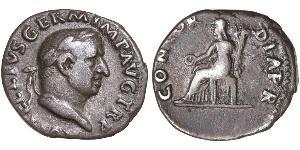
The circulation of Vitellius's image begins in earnest only after the assassination of Emperor Otho, following his military victories at Bedriacum. Interestingly, coins bearing his portrait were not minted solely by central Roman authority initially but struck first by loyal legions stationed on the Rhine frontier. These issues served as propaganda to legitimize a usurper whose rule was contested in both eastern provinces and Italy.
In early AD 69, Vitellius was proclaimed emperor at Cologne before gaining Senate approval months later in Rome. The coinage produced during this brief interval carries specific legends indicating the shifting allegiance between army factions supporting Vespasian versus those backing Vitellius's regime. While his name appears on coins minted by proconsular governors or imperial mints within a few weeks, high-quality gold and silver types are extremely rare because his reign lasted merely eight months.
Why Collectors Value These Coins
Collectors seek Vitellian denarii and aurei not only to complete the portfolio of Flavian predecessors but also for their historical narrative value. Because he ruled such a short duration, the number of surviving authentic issues is low compared to emperors like Augustus or Nerva. For enthusiasts studying Roman civil wars, these pieces provide tangible evidence of military loyalty determining imperial succession rather than dynastic rights.
Beyond rarity, coins from this period are valued for their artistic context within a chaotic timeframe where propaganda battles were fought over metal currency. Understanding the historical backdrop helps collectors appreciate why certain symbols or legends appear on his coinage versus that of Vespasian's supporters after AD 69. For those interested in specialized Roman imperial numismatics, Vitellius offers a unique window into how legitimacy was visually constructed through portraiture and iconography during times of state collapse.
Exploring these issues allows historians and collectors alike to connect physical objects with the dramatic events of Rome's political transition. The scarcity combined with his notorious historical reputation makes him an intriguing subject for serious collections focusing on AD 69 or civil war numismatics, offering a chance to own artifacts from one of history's shortest reigns.