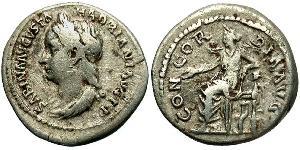
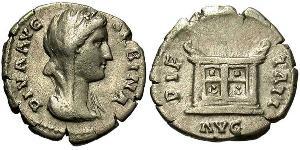
| Vibia Sabina (83-137) | Link to Wikipedia |
Vibia Sabina (August 83–136/137) Life and Coinage
Educational Overview of an Imperial Empress
Sabia was a pivotal figure in the Nerva-Antonine dynasty, serving as the second wife to Roman Emperor Hadrian. Born into prominent aristocratic lines connecting her directly to emperors Trajan and Titus, Sabina represented more than just a royal consort; she symbolized stability within an era known for intense diplomatic travel across Rome's borders.
The most profound aspect of her historical footprint is the evolution from private household life under his grandmother Plotina to public recognition. By 128 AD, upon receiving the official title Augusta, Sabina became a central figure in imperial propaganda. Her ability to manage court affairs while Hadrian toured Greece and Asia Minor elevated women's status significantly for that specific period of Roman history.
The Numismatic Legacy
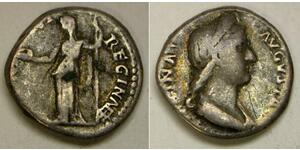
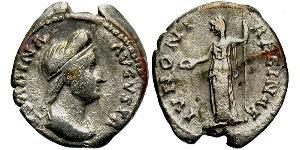
Sabina stands out as one of the first female figures to appear on regular currency alongside her husband since Augustus. Prior to this, imperial coinage focused almost exclusively on male rulers or deceased relatives. The introduction of Sabina’s portrait occurred because she was an active participant in state events rather than a figurehead kept behind palace walls.
The Roman Senate and provincial mints adopted new iconography when the Empress requested public honors for her journeying status between 124 and 130 AD. While many of these issues were struck at Rome, Alexandria, and Antioch during Hadrian's travels to maintain continuity in tribute payments.
Significance for Coin Enthusiasts
Sabina’s coinage offers distinct insights that separate her from other imperial wives often depicted as passive. Collectors appreciate these pieces because they represent a specific era where the Imperial family actively promoted female authority on currency before it became common practice under later empresses.
- Rare Variations: Coins struck during his travels often feature Sabina’s name in Greek and Latin, reflecting her wide reach across diverse regions of the Empire.
- Artistic Merit: Her portrait captures a blend of Trajanic robustness with softer attributes that influenced later imperial iconography under Antoninus Pius.
Possessing these coins connects enthusiasts to a specific historical moment where tradition shifted. The reverse images often highlight traditional Roman motifs like the quadriga or victory crowns, reinforcing her status as Augusta during public ceremonies. This connection between statecraft and currency makes Sabina’s denarii particularly valuable for understanding the social standing of women within antiquity.