| Stephen I of Hungary | Link to Wikipedia |
Stephen I of Hungary (c. 975 – 1038): History and Coinage
Saint Stephen the Founding King
In the realm of medieval European history, few figures define national origins quite like Stephen I of Hungary. As a sovereign who transformed tribal territories into a Christian statehood, he unified the Carpathian Basin against rival chieftains and secured his crown with papal approval from Pope Sylvester II. His baptism marked a pivotal shift for Hungarian leadership away from paganism toward established European religious orthodoxy. Today, this legacy is commemorated on August 20 as State Foundation Day, highlighting his enduring status not merely as a ruler of land, but of the very concept of an independent nation.
The Connection to Coinage
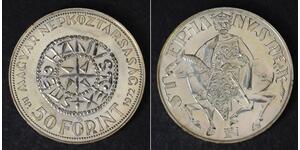
Currency in Stephen’s time functioned less as standard tender and more as portable authority. While he ruled during the tenth century—a period where minting was inconsistent across most regions—his image became associated with Hungarian coinage primarily through his son, King Emeric, who succeeded him. Early issues often carried legends referencing "Sanctus Stephanus," linking the monarch to Rome itself rather than the Holy Roman Empire directly, despite close family ties established by his marriage to Gisela of Bavaria.
The decision to feature or name Stephen on coinage served a dual political purpose: it legitimized succession against internal rivals like Koppány and connected Hungary’s economic infrastructure with Western trade routes. Coins from this era facilitated pilgrim travel to the Holy Land, embedding the ruler's image into international commerce long after his death.
The Value for Collectors
Naturedly attracted by history enthusiasts, collectors value pieces bearing Stephen’s connection because they offer a tangible link to the genesis of a modern country. Authentic medieval specimens are exceedingly rare due to their age and survival rate in central Europe compared to Western counterparts, yet those that remain command respect for their scarcity rather than price alone.
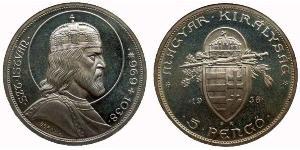
The artistic transition visible on these metal artifacts—from simple legends depicting his name alongside imperial symbols like the papal tiara—is of great educational interest. It illustrates Hungary’s cultural ascent as a preferred stopover between Constantinople and Paris. Whether examining an original silver denar or modern commemorative issues celebrating Saint Stephen Day, these objects remain essential additions to any specialized national collection.