| Rudolf II, Holy Roman Emperor (1552 - 1612) | Link to Wikipedia |
Rudolf II (1552–1612): History and Coinage
Rudolf stands as a unique figure in early modern Europe, bridging the late Renaissance and the turmoil that eventually led to the Thirty Years' War. Born into Habsburg royalty but shaped by Spanish courtly rigidity before finding his own identity on the throne of Bohemia, he was less concerned with battlefields than laboratories and galleries. His withdrawal from political power often overshadows his role as a supreme patron of Northern Mannerist art, alchemy, and learning. To understand why coins depicting him remain relevant, one must appreciate this paradoxical reign where imperial authority waned while intellectual influence soared.
Rudolf moved the court to Prague in 1583 seeking greater cultural independence from Vienna. Throughout his lifetime, he navigated complex diplomatic struggles against the Ottoman Empire and internal religious fractures within Christendom. Although traditionally viewed as an ineffectual ruler by contemporary enemies who whispered of scandalous conduct at his side chambers, modern historians recognize him for fostering scientific thought that seeded what would become known as the Scientific Revolution.
Relationship to Coinage
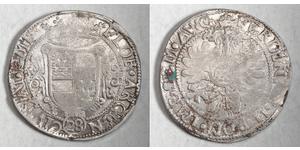
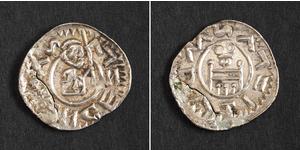
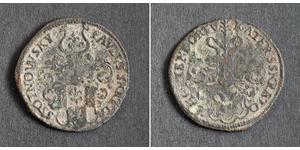
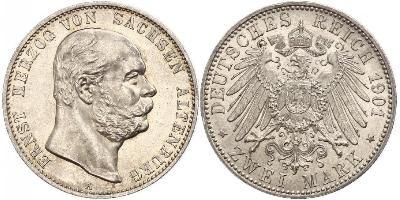
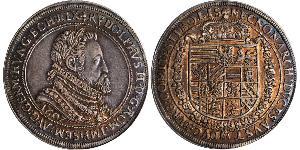
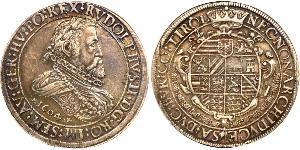
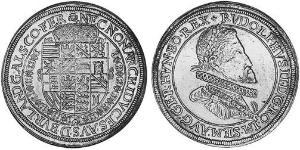
Rudolf II appeared on currency issued by his diverse realms, including the Kingdom of Bohemia and Hungary within the Holy Roman Empire. As monarch, he required official mints across his territories—from Prague to Vienna—to mint medals and small change that bore his effigy or arms. Most coins were struck during the final decades of his rule in Prague before 1609, when Protestant pressure forced him into a compromise regarding religious liberties. The presence of his image on currency served as a tool for legitimacy amidst deepening political fragmentation.
The historical circumstances surrounding these issues are significant because he ceded power to his brother Matthias toward the end of life. Consequently, many surviving specimens represent an empire attempting to hold together under increasingly unstable diplomatic pressure before being stripped effectively of all active authority in early 1612 just months prior to death.
Why Collectors Value These Coins
Numismatists are drawn to Rudolf for their historical provenance rather than simple scarcity alone. Pieces bearing his likeness connect collectors directly to the intellectual hubs of Prague before its later devastation during the Protestant conflicts. The political volatility surrounding him often limited production runs, creating items that appeal to specialists in European imperial history and those interested in transitional eras.
- Historical Importance: Coins serve as tangible artifacts from a period where art and science were cultivated at unprecedented levels by state rulers who prioritized learning over traditional military conquests.
- Rarity Context: The short duration of his independent reign before ceding crowns to Matthias results in specific mint marks or styles that define high-level collector interest without reliance on market fluctuations.
For enthusiasts exploring the transition from medieval rule into modern statehood, Rudolf provides access to numismatic materialism reflecting an era defined more by courtly intrigue than martial dominance. Understanding these pieces allows hobbyists to appreciate how a recluse emperor left behind physical traces that help us comprehend broader shifts in human thought and governance.