| Rafael Carrera | Link to Wikipedia |
José Rafael Carrera y Turcios 1814–1865: History and Coinage
Welcome to a study of one of Central America's most defining historical figures, José Rafael Carrera. Born in 1814 within the bustling city of Guatemala City yet raised on the fringes as a farmhand, his journey from rural poverty to national leadership exemplifies the complexities of post-colonial governance. During an era marked by political instability and external threats such as William Walker's expeditionary force, Carrera rose through the ranks of local militias. He consolidated power in 1844 and governed for nearly two decades before securing a position that would allow him to serve until his death.
The significance of this era extends beyond internal politics; it was a period where regional sovereignty had to be established against overwhelming odds from both European powers and other emerging nations. His administration focused heavily on social order, the restoration of conservative traditions supported by religious institutions, and defending national borders during turbulent times in Mexico.
The Numismatic Legacy
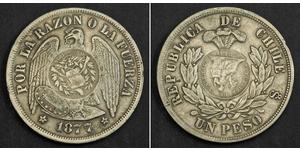
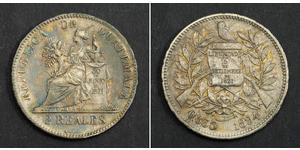
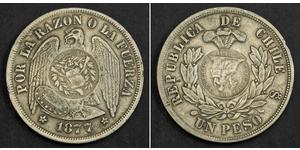
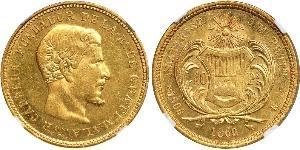
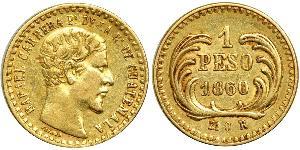
Carrera's portrait does not appear as frequently on modern collectibles compared to colonial rulers due to his controversial nature within later historical revisionism. However, when coins were minted under regimes associated with the conservative consolidation he championed, they served a specific purpose: legitimizing authority in unstable regions.
- Institutional Authority: Coins issued during this period often featured state symbols to distinguish them from federalist currencies of dissolved Central American unions. These metal disks represented economic independence and sovereignty for the new nation-state forming on its own terms.
The historical circumstances surrounding these pieces are fascinating because they bridge military conflict with monetary policy, showing how a single leader's influence over domestic stability was necessary to maintain currency circulation in an age of war. His support by rural masses meant that his rule often required the backing of local militias rather than foreign debtors or federal loans.
Collections and Historical Value
- Rarity: Due to shifting political regimes following 1870 when liberal factions returned power, many coins associated with his administration were demonized. This has created a unique scarcity for those pieces that do exist in circulation.
For the enthusiast or collector of historical currency, these artifacts offer tangible connections to an age where borders were drawn by swords rather than treaties alone. The artwork is often understated but tells a story of resistance and survival against odds. Understanding this context allows collectors to appreciate not just the condition of the piece on their desk, but also its role in stabilizing a fragile republic.
We encourage you to examine these pieces as educational tools rather than mere investments. They represent an era where history was being written by those who could read it at all, yet managed to write new laws for nations that were still finding themselves on the global stage. Exploring these coins offers insight into how ordinary citizens rose during times of crisis and secured a legacy in metal form.