| Philip VI of France (1293 - 1350) | Link to Wikipedia |
Philip VI of France (1293–1350): History and Coinage
Introduction
Known historically as Philip the Fortunate or Philippe le Fortuné, this monarch serves as a foundational figure in European history. His reign marked one of the most significant dynastic transitions in France following the death of his cousin King Charles IV in 1328. At that time, Edward III of England stood as a close male heir to the French throne; however, Philip VI ascended power by invoking legal traditions known today as Salic law which excluded female lines from inheritance claims through mothers. This controversial accession not only secured the French crown for his House but also sparked decades of conflict with the English king that would define a century of European politics.
The Numismatic Context
During Philip VI's lifetime, coinage played a vital role in statecraft and war funding. Although modern collectors are accustomed to portraits on currency from later centuries like those of Charles V or John II his son, the coins struck under early Valois rulers were distinctively different.
- Mint Policy: The French king Philip VI oversaw mints in major cities including Paris and Toulouse. These facilities produced copper denominations primarily known as deniers.
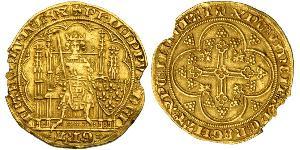
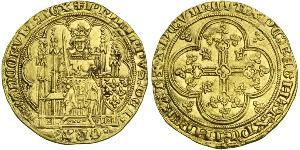
- Dates vs Portraits: Unlike later monarchs, he was not always depicted with a bust; instead, coin faces displayed heraldic symbols like fleurs-de-lis or inscriptions naming "Philippe Roi."
- The War Factor: The Hundred Years' War necessitated high metal outputs. These early issues helped stabilize the currency when French financial resources were drained by battles such as Crécy and Sluys.
This era represented a crucial period for economic history, where coinage was less about royal portraiture and more about establishing standardized trade value to support military efforts abroad. Collectors examining coins from this period see the early development of French currency systems that would evolve significantly during subsequent generations. While gold florins became common under his grandson Charles V later in time, copper pieces minted for Philip VI's regime remain essential for understanding medieval monetary evolution.
Why Collectors Value These Coins
Collecting coins from this era offers unique insights into the socio-economic struggles of France during a major conflict. The rarity and condition of these early issues make them prized by specialized collectors who seek to represent their historical importance accurately.
- Rarity: Surviving copper deniers with inscriptions or heraldry from this time are valuable for completeness in medieval series collections.
- Historical Education: These pieces offer a tangible connection to the struggle over royal succession and independence against England, providing visual proof of France's central authority despite political fragmentation during war years.
In summary, exploring these artifacts connects enthusiasts directly with one of history's most defining periods where French sovereignty was solidified. Whether viewing coins minted for Philip VI or his successors who built upon his legacy, the numismatic journey illuminates how money shaped national destiny in medieval times.