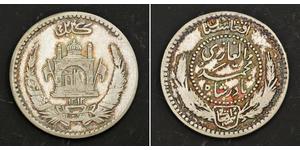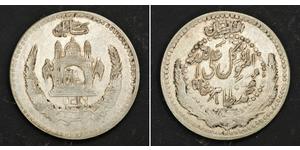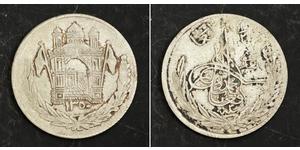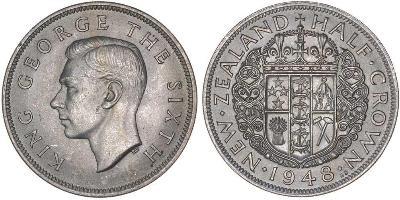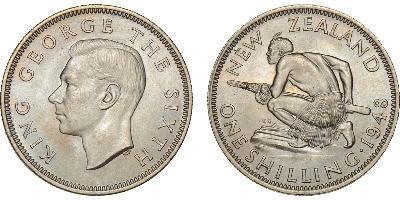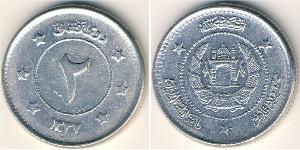
| Mohammed Zahir Shah (1914 - 2007) | Link to Wikipedia |
Mohammed Zahir Shah (1914–2007): History and Coinage
The legacy of Mohammed Zahir Shah spans the twilight of a long monarchy in Afghanistan, marking an era defined by modernization efforts during turbulent geopolitical times. Reigning for nearly four decades as king from 1933 until his deposition in 1973, he served as the last monarch before the nation transitioned into a republic and later endured foreign occupations. His historical significance extends beyond political office; Zahir Shah represents Afghanistan's attempt to establish itself as a stable neutral state during the height of the Cold War. Following decades following independence struggles that had plagued his ancestors in the late nineteenth century, he presided over a period where international diplomatic relations expanded significantly. However, this era also ended abruptly when civil conflict erupted in neighboring countries and local political factions shifted power dynamics.
Relationship to Coinage
Coinage minted during the reign of Mohammed Zahir Shah served as a medium for projecting state stability and cultural identity. During his rule, various denominations were produced to circulate currency across the kingdom. Numismatic records indicate that at least five distinct Afghan Pul coins bore the royal legend in Arabic script identifying him with religious titles such as "AlMutawakkil'iῢa Allah." These portraits and inscriptions emphasized his adherence to tradition while attempting to introduce constitutional democratic elements. When a coup occurred, power was seized by Mohammed Daoud Khan, Zahir Shah's cousin.
This political shift ended the production of new coins depicting him as king for an autocratic republic government in 1973. Consequently, collectors searching for his likeness are primarily looking for pre-1978 circulation issues or commemorative pieces produced later to honor a restored national legacy after international events.
Why Collectors Value These Coins
The numismatic interest surrounding Mohammed Zahir Shah derives from their role as tangible artifacts of a specific historical turning point. Enthusiasts are drawn to these pieces not for high monetary value but because they encapsulate the transition between traditional monarchy and modern political republics in Afghanistan. The condition of these coins matters significantly, with mint marks indicating production years that reflect Zahir Shah's active reign before his abdication.
- Rarity: Fewer specimens exist from specific denominations due to the abrupt cessation of royal coinage following 1973 and subsequent conflicts.
- Historical Context: Each piece serves as evidence that Afghanistan attempted neutrality between superpowers, a diplomatic stance clearly inscribed on metal during this period.
In conclusion, Mohammed Zahir Shah's presence in numismatics is less about aesthetic perfection and more about preserving the narrative of independence. For collectors, holding such currency connects them to the final days of an ancient monarchy before Afghanistan faced a long struggle for sovereignty in recent decades.