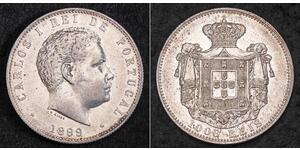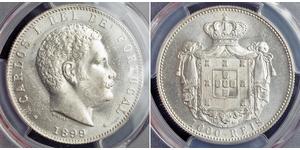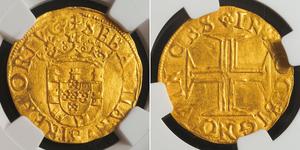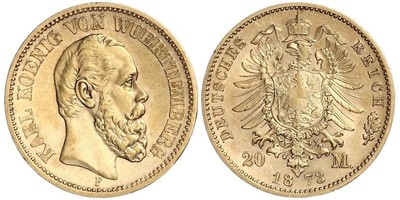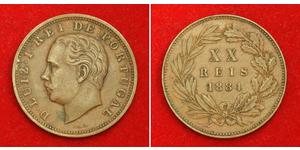
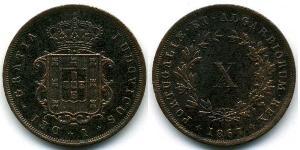
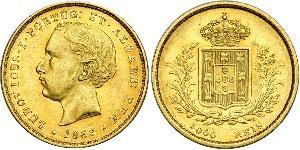
| Luís I of Portugal (1838 - 1889) | Link to Wikipedia |
Dom Luís I (1838–1889): History and Coinage
Welcome to a closer examination of the reign of Dom Luís I, affectionately known as "the Popular." Ruling Portugal from 1861 until his death in 1889, this monarch presided over a critical period where the nation defined its constitutional identity during Europe's industrial expansion. His tenure was marked not only by military service and colonial consolidation but also by significant infrastructure development that modernized Lisbon and Porto.
In numismatics, Dom Luís appears primarily on currency struck during the latter half of his lifetime under the Portuguese Empire. The Kingdom issued various silver reais and gold cruzados bearing imperial portraits or allegorical figures representing national prosperity. These coins were minted to solidify public trust in a constitutional monarchy that balanced royal prerogative with legislative power established by earlier reforms.
The decision to feature Dom Luís on circulating coinage was deeply rooted in his political legitimacy. After navigating the instability of early parliamentary governments known as "Rotativism," he secured enough support to maintain order through 1879 and beyond. Collectors often find these pieces interesting because they date from a transitional era where Portugal navigated between traditional dynastic rule and emerging republican sentiment.
Beyond standard circulating currency, later historical issues or commemorative tokens released posthumously helped cement his legacy in the national pantheon. His refusal of the Spanish throne was celebrated as an act of nationalism that aligned closely with modern patriotic themes found on state-issued medals during this era. For those who explore Portuguese numismatics, finding pieces from 1875 or later offers insight into the "Pink Map" division of Africa and how Portugal asserted its colonial status before World War I.
The value for collectors extends beyond market price; these coins encapsulate a specific time in national history. While rare variants exist depending on mint marks, any piece featuring Dom Luís serves as an educational tool regarding 19th-century imperial politics. When examining the details of his profile or accompanying allegorical designs, one recognizes a man who invested personal wealth into science and oceanography rather than just war.
Ultimately, exploring this collection allows enthusiasts to touch history at a moment when empires were drawing their boundaries on maps yet maintaining stability through constitutional means. We encourage you to inspect specimens from the 1860s carefully, noting how artistic styles evolved alongside political shifts that eventually led to the First Republic.