| Ludwig II of Bavaria (1845 – 1886) | Link to Wikipedia |
Ludwig II (1845–1886): History and Coinage
King Ludwig of Bavaria, historically known as the Swan King or Mad King, occupies a singular niche in monarchical history through his devotion to art rather than governance. Born at Nymphenburg Palace on August 25th, 1845, he ascended to the throne following an illness that claimed his father Maximilian II just before his nineteenth year was complete. His reign lasted until June 13, 1886, marking a significant era where Bavaria maintained cultural independence despite joining the German Empire in 1871 after defeat by Prussia during the Austro-Prussian War.
The Numismatic Connection
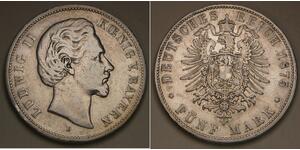
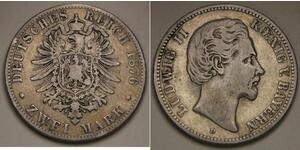
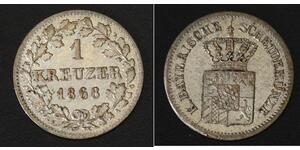
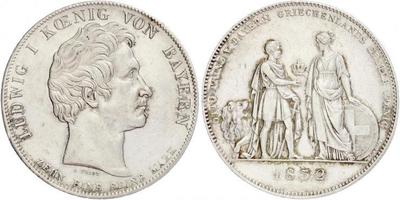
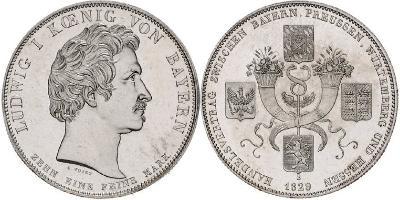
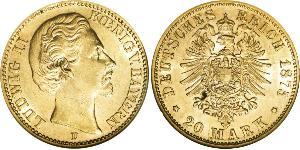
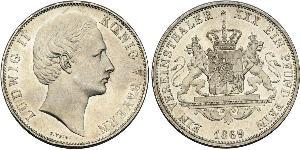
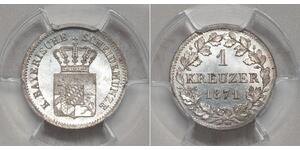
Coinage bearing his portrait was struck by Munich mints primarily during the Kingdom's era before unification fully consolidated regional designs. While circulation issues were common, they served as assertions of sovereignty that became particularly poignant after 1876 when he largely withdrew from public appearances entirely following inspections in late August and banquets ending early February. Political pressure eventually used his spending against him to declare insanity; coins issued under the Imperial regime sought to maintain continuity for dynastic legitimacy despite political attempts to restrain expenses before the death of both king and doctor on June 14, 1886.
Rarity and Historical Appeal
The value for collectors lies beyond speculative profit; these items offer insight into a ruler who prioritized creative projects over military parades. The scarcity of issues bearing his likeness compared to other German monarchs makes them prized within specialized regional series focusing on pre-Prussian hegemony or independent kingdoms.