
| Louis XVIII of France (1755-1824) | Link to Wikipedia |
Louis XVIII of France (1755–1824): History and Coinage
Louis Stanislas Xavier, known historically as Louis XVIII or the Desired, was a defining figure during one of Europe's most turbulent periods following his birth in Versailles on November 17. As the younger brother of King Louis XVI, he became the focal point for royalist sentiment after his sibling’s execution and that of their young nephew Louis XVII.
The Restoration Monarch
Louis spent over two decades in exile across Prussia, Britain, and Russia while Napoleon Bonaparte consolidated power. His accession in 1814 established the Bourbon Restoration government as a constitutional monarchy through the Charter of 1814, significantly altering royal prerogatives compared to the Ancien Régime. He ruled until his death in 1824.
This political transition is central to understanding his coinage. Unlike absolute rulers who utilized currency solely for tribute or imperial grandeur, Louis’s issues required balancing tradition with modern liberty principles established during the Revolution and maintained through Napoleon's Empire.
The Numismatic Portrait
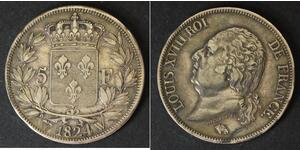
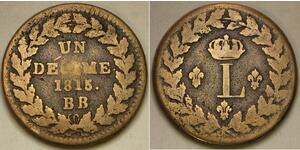
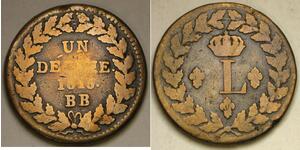
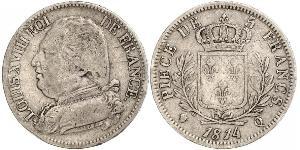
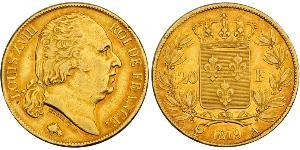
Coin enthusiasts will find that depictions of this monarch appear on French silver francs and gold coins minted from 1814 to 1824. The decision to place his profile onto state currency served a dual purpose: asserting legal succession over Napoleon's brief return during the Hundred Days in 1815, while signaling stability to foreign merchants.
The portraits often displayed by mints were designed not merely for circulation but as propaganda of legitimacy. While revolutionary coins featured symbols like liberty caps or eagles, Louis VIII imagery utilized a restrained royal profile intended to restore order without inciting further violence among the populace who demanded political reform over pure autocracy.
The Collector's Perspective
- Historical Significance: Each piece connects collectors to the specific era of post-Napoleonic reconstruction in France, bridging the gap between imperial rule and constitutional government.
- Rarity Contexts: Certain mintings from early Restoration years or immediately following his final return are sought after as they represent a fragile period before the death of Louis XVIII stabilized affairs for the subsequent reign of Charles X.
The artistic quality remains high, yet collectors value them primarily for what they tell us about political recovery rather than their alloy content. A coin featuring Louis represents not just metal but the tangible return of French sovereignty to a displaced branch of its royal family after twenty years abroad.
A Legacy in Metal
These artifacts remain essential for completing comprehensive collections of modern European currency, as they illustrate how financial instruments evolve alongside regime changes. Whether examining an 1820 issue or later denominations under the same reign offers insight into why this specific monarch endured long enough to see his policies permanently alter the landscape before being succeeded by brother Charles X.