| Leopold III of Belgium | Link to Wikipedia |
Leopold III of Belgium 1901–1983: History and Coinage
Leopold III reigned as King of the Belgians during one of Europe’s most turbulent decades, serving from February 1934 until his abdication in July 1951. Born into a lineage that had safeguarded national sovereignty since independence, he inherited a crown burdened by recent trauma and future uncertainty.
Tenure was marked by profound historical significance regarding World War II neutrality policies and the internal division within Belgium between Wallonia and Flanders following German occupation. His story is one of loyalty contested against domestic will and geopolitical reality during times when nations were torn apart. This complex legacy makes him a singular figure in royal history, bridging eras that remain vital for study today.
Relationship to Coinage
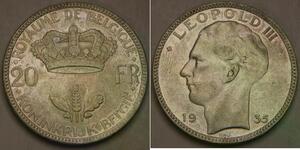
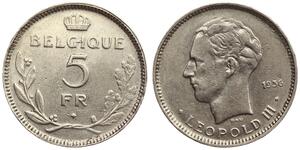
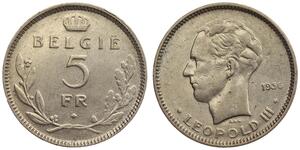
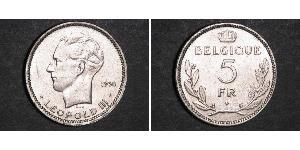
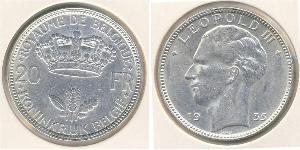
The Royal House of Belgium issued circulating currency during his lifetime, primarily utilizing the francs minted prior to 1940. These coins featured royal portraits consistent with European monarchical standards of the interwar period.
Collectors find that these pieces often predate wartime disruptions to minting operations across occupied territories. Following his abdication, coinage shifted rapidly toward Baudouin under new administrative pressures post-liberation. Consequently, coins depicting Leopold during his active reign hold specific interest for those studying the transition from a neutral monarchy to exile governance.
The state mints produced circulation pieces that circulated through major conflicts before being superseded by republican administration or subsequent kingship styles in 1950s Belgium.
Why Collectors Value These Coins
The numismatic value of these pieces lies heavily in historical context rather than market premiums alone. For enthusiasts tracing European royal history, Leopold III represents a critical pivot point between pre-war stability and post-liberation democracy.
- Historical Context: Coins minted under his banner reflect the era of strict neutrality that ultimately failed during 1940.
- Rarity Factors: Wartime issues or transition period specimens often carry higher demand due to scarcity and historical weight rather than mere mintage numbers.
- Artistic Design: The effigies reflect the design trends of Belgian artistry during the 1930s, offering visual documentation of interwar European aesthetics on metal currency.
Gathering these artifacts allows collectors to touch upon pivotal moments in national memory. They offer an educational entry into understanding how small denominations preserve large-scale historical narratives about sovereignty and state resilience during the Second World War era.