| Kim Il-sung (1912 - 1994) | Link to Wikipedia |
Kim Il-Sung (1912-1994): History and Coinage
Kim Il-sung stands as a pivotal figure in twentieth-century geopolitics, serving as the founding father of North Korea from its establishment in 1948 until his death in 1994. A key architect of a socialist state within an isolated peninsula, he orchestrated military resistance against colonial occupation and shaped regional stability for nearly five decades. Born into a family that fled Japanese repression to Manchuria during the early 1920s, Kim rose from guerrilla activities in China to lead his nation through complex Cold War dynamics. His leadership transformed local heritage into the ideology of Juche, establishing a regime defined by self-reliance and strict nationalism that survived superpower shifts alongside allies like China and the Soviet Union until its dissolution changed economic conditions drastically for his successors.
Relationship to Coinage
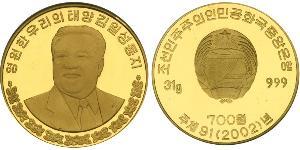
The primary political entity issuing coins depicting him is the Democratic People's Republic of Korea itself. During his tenure, currency initially focused on industrial themes before direct state portraits were emphasized to solidify personality cult status posthumously in 1994 when he was declared Eternal President. Coins bearing his portrait became standard state artifacts issued by Pyongyang specifically for collectors or diplomatic gifts rather than general circulation following major economic changes triggered by the loss of Soviet aid and famine events recorded later that century.
Why Collectors Value These Items
Numismatists pursue these artifacts for their unique provenance and rarity compared to standard world coinage from major mints like London or Philadelphia. Each piece encapsulates a specific era of socialist realism art, distinctively reflecting how the state visualized its leader through sculptor-approved portraits meant to emulate his public persona as an industrial worker-soldier hybrid figure described in official history books. The scarcity stems directly from historical context; economic stagnation and international isolation reduced production runs significantly after 1980.
Furthermore, these pieces remain rare because North Korean numismatic material often circulates less freely outside the peninsula or remains within specialized collections due to embargoes affecting market access for foreign entities seeking such history without violating modern trade laws regarding political artifacts from that region. For enthusiasts, understanding this background offers deep insight into how national leaders became symbols of state identity during periods of extreme ideological pressure.