| Justin I (450-527) | Link to Wikipedia |
Justin I (c. 450 – 1 August 527): History and Coinage
An Unlikely Emperor from a Peasant Background
Justin I occupies a unique place in the annals of late antiquity as an Eastern Roman emperor born into peasant circumstances. Rising through the ranks of the military guard, he ascended to the throne solely due to his political acumen following the death of Anastasius I Dicorus. His reign was not merely about maintaining imperial continuity; it fundamentally altered the religious and diplomatic landscape by ending long-standing schisms between Rome and Constantinople. For historians studying numismatics, Justin represents a critical turning point where coinage shifted from the late antique aesthetic toward more standardized Byzantine styles that would define his nephew's era.
The Currency of Power
Kinngdoms & Issuers:
- Possibly struck during Justin I lifetime or posthumously for dynasty continuity.
- Minted exclusively by the Eastern Roman (Byzantine) Empire from Constantinople.
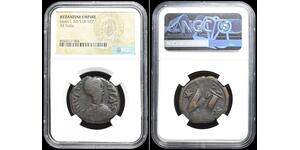
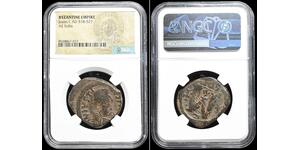
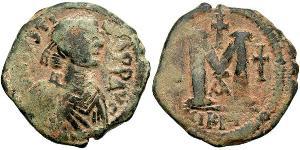
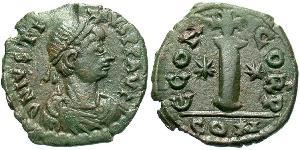
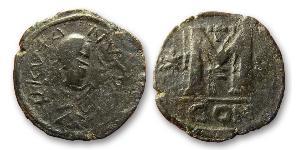
The solidus, a gold coin standard used throughout his reign, featured portraits that reflected an older, rugged military man rather than the idealized figures of previous aristocrats. His decision to adopt Christian imagery and specific religious iconography in mint production was intended to signal peace with the Papacy after ending Acacian schisms. While most coins depicted him solely during life or under his adopted name by his nephew Justinian I, earlier issues from the reign served as a tangible record of a soldier becoming emperor.
The Numismatic Appeal
Rarity & Historical Context:
- Collectors value these coins for their connection to early Byzantine dynasty consolidation.
- Versatile designs reflect religious policy changes rather than lavish courtly wealth.
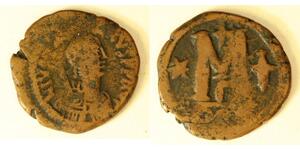
The primary attraction of Justinian's era coinage is its narrative significance regarding imperial legitimacy. Unlike contemporary emperors surrounded by vast jewelry or intricate patterns, the coins from this period often display a simpler design due to wartime scarcity prior to his death in 527 AD. This austerity makes well-preserved examples particularly sought after for their historical authenticity. For those dedicated to tracing imperial lineages, Justin offers a foundational chapter connecting the humble origins of the peasant-born emperor with subsequent rulers like Anastasius and John Tzimisces.