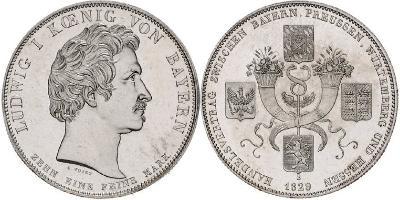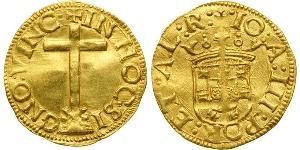

| John III of Portugal (1502-1557) | Link to Wikipedia |
João III (1502–1557): History and Coinage
King John III of Portugal, affectionately known as The Pious, ruled from 1521 until his death in 1557. His reign marks a critical turning point for the Portuguese monarchy, characterized by ambitious colonial expansion across Asia and South America while managing internal political challenges at home. As an absolute monarch during the early modern era of exploration, John III oversaw strategic decisions that would define Portugal's footprint on the global stage.
The Sovereign’s Presence in Currency
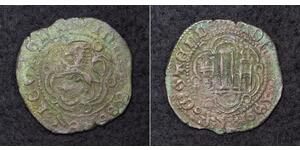
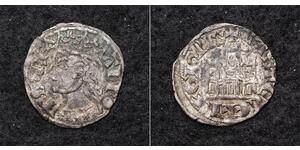
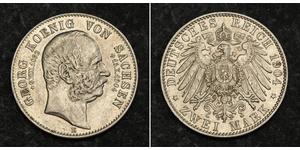
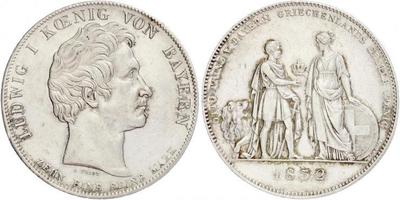
Coinage issued under King João serves as a physical testament to his administration and diplomatic standing. The Kingdom of Portugal and the Algarve struck currency during this period, primarily silver real coins used for commerce across its vast empire. While often continuing established iconographic traditions from earlier decades, these issues reflect a time when royal portraits were instrumental in projecting authority over distant territories like Goa.
Under John III's administration, the need to fund defense against Ottoman fleets and French colonial efforts resulted in significant administrative shifts that impacted minting operations. Collectors observing this era note that coins often bore the names of various governors appointed by Lisbon who managed trade monopolies on spices. The portrait or name appearing on these denominations was a deliberate assertion of central power over provincial territories, ensuring uniformity even as local governors struggled with administration and debt.
Significance for Modern Collectors
The appeal of coins from this period extends beyond financial value, offering deep historical context to the study of maritime commerce. For enthusiasts who appreciate monetary history, these items represent a specific era before modern banking systems unified global trade finance. Exploring numismatic pieces associated with John III allows collectors to understand how sovereign authority was maintained over thousands of square kilometers.
Rarity in this segment is often tied not just to age but to the survival conditions following naval conflicts and administrative instability described in historical records. A collection focusing on João III provides a tangible narrative linking diplomatic alliances, such as marriages with European royalty, to economic output within the Iberian Peninsula. Studying these artifacts encourages exploration of how Portuguese currency facilitated contact between Europe, India, Japan, and Brazil.
In essence, collecting coins from this dynasty connects the holder directly to an age where a single kingdom managed complex global logistics through silver and gold standards. Understanding John III’s reign transforms coinage into a readable history book, revealing not just portraits of monarchs but evidence of the political maneuvering that secured Portugal's position in world trade.